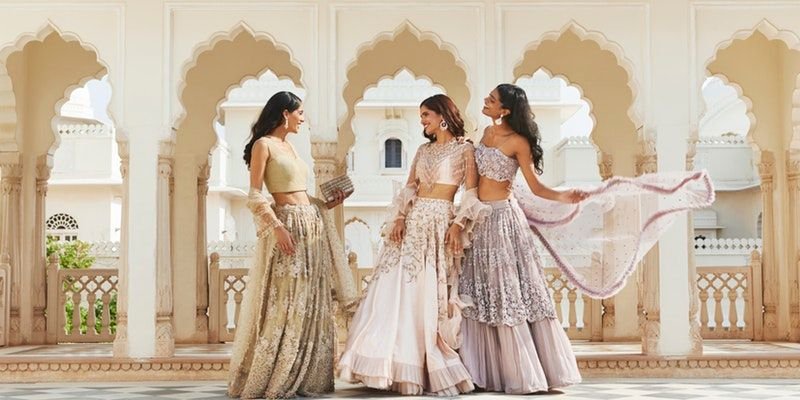
Walk into a Gen Z closet today and you might notice something… unexpected. It’s not overflowing. No chaotic mix of impulse buys, no stacks of “I’ll wear this someday” outfits. Instead, there’s space. A handful of well-loved pieces, neutral tones, maybe a few statement items—but overall, it feels intentional.
And honestly, that’s the word that keeps coming up: intentional.
Minimalist wardrobes aren’t exactly new, but their recent popularity among Gen Z feels different. It’s not just about fashion anymore. It’s about lifestyle, identity, and—strangely enough—peace of mind.
The Shift From “More” to “Enough”
For years, fashion thrived on excess. Fast fashion made it easy to buy more, wear less, and repeat the cycle. Trends changed quickly, and closets grew faster than people could keep up.
But Gen Z grew up watching that cycle… and somewhere along the way, they started questioning it.
Owning 30 outfits but still feeling like you have “nothing to wear” gets tiring. Decision fatigue is real. And when your wardrobe feels cluttered, it kind of spills into your mental space too.
Minimalism, in that sense, feels like a reset. Fewer clothes, but better choices.
Social Media Played a Role (Ironically)
It’s a bit ironic, but social media—often blamed for overconsumption—is also driving minimalism.
Platforms like Instagram and TikTok are filled with “capsule wardrobe” videos, outfit repeats, and styling tips that focus on versatility. Influencers aren’t just showing new clothes; they’re showing how to wear the same piece in multiple ways.
That shift matters.
Instead of chasing every trend, people are learning how to make the most of what they already own. And that’s quietly changing buying behavior.
Sustainability Isn’t Just a Buzzword
Let’s be real—Gen Z cares about the environment more openly than previous generations. Climate change, waste, ethical production… these aren’t distant issues anymore.
Fast fashion, with its short lifecycle and heavy environmental cost, doesn’t sit well with that mindset.
A minimalist wardrobe naturally aligns with sustainability. Buying less means wasting less. Choosing quality over quantity means clothes last longer. It’s not perfect, but it’s a step in a better direction.
And for many, that’s reason enough.
Personal Style Becomes Clearer
Here’s something interesting—having fewer clothes can actually make you more stylish.
When your wardrobe is packed with random pieces, it’s harder to define your personal style. But when you narrow it down, patterns start to emerge. You notice what you truly like, what fits well, what feels like you.
Minimalism forces that clarity.
It’s less about impressing others and more about comfort, confidence, and consistency. And that’s a big shift, especially in a generation that values authenticity.
The Comfort Factor (Underrated, Honestly)
Gen Z isn’t just choosing minimalism for aesthetic reasons. Comfort plays a huge role.
Loose fits, breathable fabrics, neutral colors—these aren’t just trendy; they’re practical. People want clothes they can wear all day without feeling restricted or overdressed.
A minimalist wardrobe often leans into that. It’s built around pieces that work across situations—college, work, casual outings—without needing constant changes.
That simplicity is refreshing.
So, Why Is This Trend Picking Up?
At some point, the question becomes unavoidable: Minimalist wardrobe trend Gen Z me kyun popular ho raha hai?
It’s not just one reason. It’s a mix of things coming together at the right time.
There’s the mental clarity of owning less, the environmental awareness pushing conscious choices, the influence of social media showing smarter styling, and the desire for authenticity over excess.
Minimalism isn’t being forced—it’s being chosen.
And maybe that’s why it feels more lasting than a typical trend.
It’s Not About Having Nothing
One common misconception is that minimalism means giving up everything. That’s not really true.
It’s not about owning five plain T-shirts and calling it a day. It’s about curating a wardrobe that works for you—your lifestyle, your preferences, your daily routine.
Some people might keep 15 pieces, others 40. The number doesn’t matter as much as the intention behind it.
Minimalism, at its core, is flexible.
A Quiet Rebellion Against Fast Fashion
In a way, this trend feels like a subtle pushback.
Against overproduction. Against constant consumer pressure. Against the idea that you need something new to feel better.
Gen Z isn’t rejecting fashion—they’re redefining it. Making it slower, more thoughtful, and a bit more personal.
And honestly, that shift might outlast any seasonal trend.
Final Thoughts
Minimalist wardrobes aren’t loud. They don’t scream for attention. But maybe that’s exactly why they’re working.
In a world that constantly demands more—more choices, more trends, more consumption—choosing less feels almost radical.
Not in a dramatic way. Just quietly, consistently.
And maybe that’s the point.