
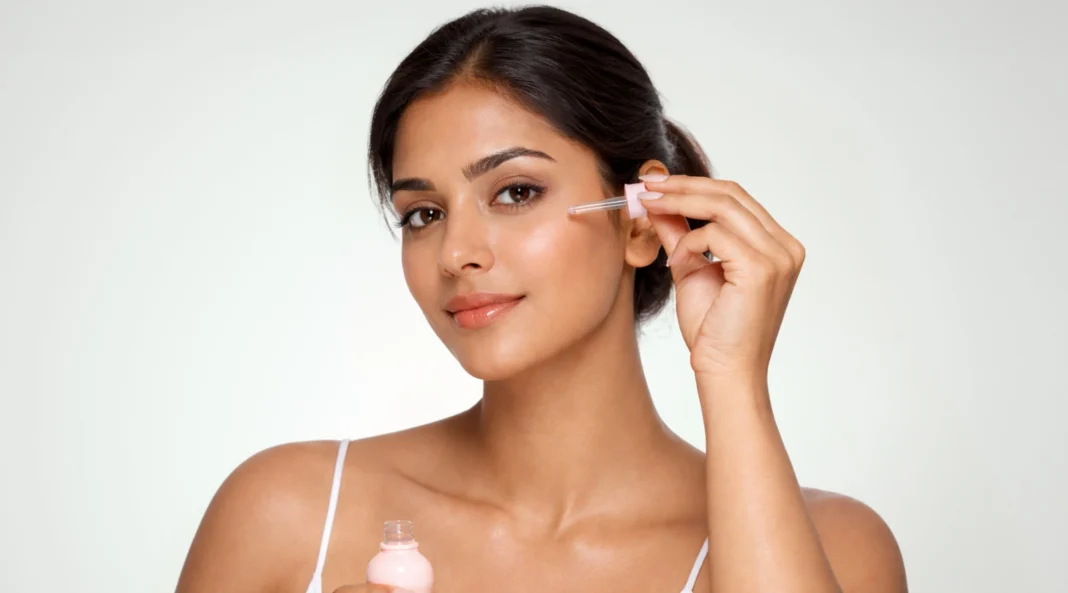

There’s a moment — maybe you’ve had it too — when your skin just stops cooperating. The usual products sting a little, redness lingers longer than it should, and suddenly even a basic moisturizer feels… insufficient. It’s confusing at first. You haven’t changed much, so what’s going on?
Well, that’s where this whole “skin barrier repair” conversation quietly enters the picture. Not as a trend that screams for attention, but more like a gentle nudge saying, “Hey, maybe slow down a bit.”
What Even Is the Skin Barrier?
Let’s keep it simple. Your skin barrier is basically the outermost layer of your skin — the part that stands between you and, well, everything else. Pollution, UV rays, bacteria… even the weather. It’s like a shield, but a surprisingly delicate one.
When it’s healthy, you don’t really think about it. Your skin feels balanced, calm, maybe even a little glowy. But when it’s damaged? That’s when dryness, irritation, breakouts, and sensitivity start showing up uninvited.
And honestly, in today’s skincare culture — where everyone’s layering acids, retinols, and exfoliants — it’s not hard to see why barriers are getting compromised more often.
The Shift from “More” to “Better”
For years, skincare felt like a race. More products, more steps, faster results. Ten-step routines became the norm, and if your shelf didn’t look like a mini store, were you even trying?
But something changed.
People started noticing that overdoing it wasn’t helping. In fact, it was making things worse. That’s when the focus began shifting — from aggressive treatments to repair, from instant glow to long-term health.
This is where the idea behind Skin barrier repair trend kya hai aur kyun popular ho raha hai? starts to make sense. It’s not just about fixing damaged skin; it’s about preventing that damage in the first place.
Why Everyone’s Suddenly Talking About It
A big part of this trend comes from awareness. Social media, dermatologists, and even skincare brands have started educating people about ingredients like ceramides, fatty acids, and niacinamide — all of which support the skin barrier.
But beyond education, there’s also fatigue. People are tired of complicated routines that promise everything but deliver inconsistent results. Barrier repair feels simpler. More intuitive.
It’s like going back to basics — cleanse gently, moisturize properly, protect consistently. Not revolutionary, but oddly refreshing.
Signs Your Skin Barrier Might Be Struggling
You don’t need a dermatologist to tell you something’s off. Your skin usually gives subtle hints:
- That tight feeling after washing your face
- Random sensitivity to products you’ve used for years
- Red patches that don’t fade easily
- Breakouts that feel different — more inflamed, less predictable
If any of that sounds familiar, your barrier might be asking for a break.
What Actually Helps (And What Doesn’t)
Repairing your skin barrier isn’t about buying the most expensive cream on the shelf. It’s more about what you stop doing than what you start.
Cutting back on harsh exfoliants helps. So does simplifying your routine. Ingredients like ceramides and hyaluronic acid can support recovery, but only if you’re not constantly stripping your skin with aggressive treatments.
And sunscreen — yeah, it’s still non-negotiable. No matter how good your repair routine is, skipping SPF kind of undoes the effort.
The Role of Patience (Which No One Talks About)
Here’s the slightly annoying part: barrier repair takes time.
There’s no overnight fix. No miracle serum that resets everything in 24 hours. It’s gradual, sometimes frustratingly so. But it works — quietly, steadily.
And maybe that’s why people are finally embracing it. Because it feels real. Not flashy, not exaggerated, just… effective.
Is This Just Another Passing Trend?
It doesn’t feel like one.
Unlike trends that come and go (remember charcoal everything?), skin barrier repair is rooted in basic dermatology. It’s not about reinventing skincare; it’s about respecting how skin actually functions.
That kind of idea tends to stick around.
A Softer, Smarter Approach to Skincare
If there’s one takeaway from all of this, it’s that skincare doesn’t have to be complicated to be effective. Sometimes, doing less — but doing it right — makes all the difference.
And maybe that’s the real reason this trend is growing. It aligns with how people are starting to think about health in general: more mindful, less extreme.
Your skin isn’t a problem to fix. It’s a system to support.
Once you start seeing it that way, everything else becomes a little clearer.

