Water is one of those business essentials that rarely gets much attention—until it starts causing problems. Whether you’re running a restaurant, hotel, manufacturing facility, healthcare clinic, office building, or apartment complex, the quality of your water quietly affects daily operations in ways that are easy to overlook.
Think about it for a moment. Water flows through coffee machines, boilers, ice makers, dishwashers, cooling equipment, restrooms, and production lines. When that water contains excess minerals, sediment, chlorine, or other contaminants, it doesn’t just affect taste. It can reduce equipment efficiency, increase maintenance costs, and even influence customer satisfaction.
Businesses that understand the value of water quality often discover that investing in proper treatment isn’t simply another expense—it’s a long-term operational advantage.
Water Quality Impacts More Than You Think
Many business owners assume water is “good enough” because it comes from a municipal supply. While public water is treated to meet safety standards, that doesn’t necessarily mean it’s ideal for commercial equipment or specialized business operations.
Hard water minerals can slowly build up inside boilers, water heaters, commercial dishwashers, and plumbing systems. Chlorine may affect beverages and food preparation. Sediment can clog valves, reduce water pressure, and shorten the lifespan of expensive machinery.
These problems don’t appear overnight. Instead, they develop gradually, often becoming noticeable only after repair costs begin increasing.
Recognizing water quality as part of preventive maintenance can save businesses thousands of dollars over the life of their equipment.
Choosing the Right Commercial Water Infrastructure
No two businesses use water the same way.
A busy café needs consistent water quality for coffee and espresso machines. Hotels depend on reliable hot water, spotless linens, and guest comfort. Manufacturing facilities often require highly controlled water conditions for production processes.
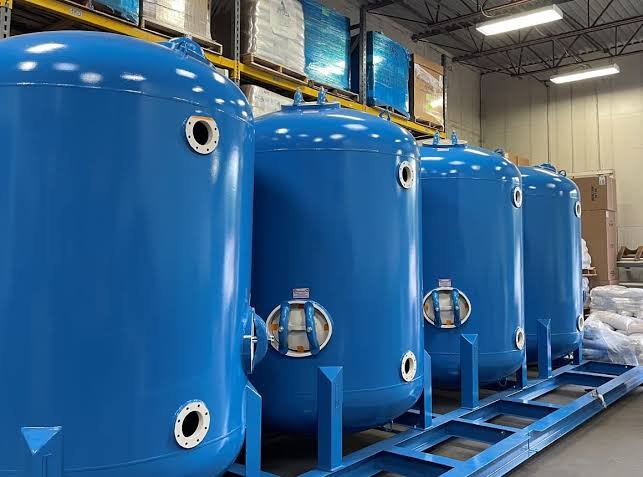
That’s why properly designed commercial water systems are built around the specific demands of each business rather than relying on one-size-fits-all equipment.
The goal isn’t simply filtering water—it’s ensuring dependable performance, minimizing downtime, and protecting valuable infrastructure.
Hard Water Can Quietly Increase Operating Costs
Hard water is one of the most common challenges businesses face, especially in regions with naturally high mineral content.
Calcium and magnesium gradually accumulate inside pipes, boilers, water heaters, cooling equipment, and commercial appliances. Even a thin layer of mineral scale forces equipment to work harder, increasing energy consumption while reducing efficiency.
Installing properly sized commercial water softeners helps reduce mineral buildup before it reaches critical equipment. Over time, businesses often experience lower maintenance expenses, improved equipment performance, and longer service life for expensive machinery.
The savings may not be obvious in a single month, but they become significant over years of operation.
Clean Water Supports Better Products and Better Service
Water quality influences customer experience more than many businesses realize.
Restaurants depend on clean water for cooking, beverages, and ice production. Hotels want spotless dishes, brighter linens, and comfortable guest experiences. Healthcare facilities require dependable water for sanitation and daily operations.
High-quality commercial water filters remove sediment, chlorine, unpleasant tastes, and other unwanted substances that can affect both equipment and final products.
Customers may never compliment your filtration system directly—but they’ll certainly notice fresh-tasting coffee, crystal-clear ice, and consistently clean facilities.
Sometimes the best improvements are the ones customers simply expect without ever realizing why.
Every Industry Has Different Requirements
Commercial water treatment isn’t a universal formula.
Restaurants often prioritize taste, odor reduction, and equipment protection. Manufacturing facilities may require specialized filtration to meet production standards. Office buildings focus on employee comfort, while hotels place greater emphasis on guest satisfaction and laundry performance.
Healthcare environments, schools, apartment complexes, and food processing facilities each have unique water demands that influence equipment selection.
That’s why professional water analysis remains one of the most valuable first steps before installing any treatment system.
Understanding your actual water conditions prevents unnecessary spending while ensuring the chosen equipment solves the right problems.
Preventive Maintenance Is Always More Affordable
Replacing commercial equipment is rarely inexpensive.
Boilers, commercial dishwashers, cooling towers, ice machines, and industrial water heaters represent major capital investments. Protecting them with proper water treatment often costs far less than repairing scale damage or replacing prematurely worn components.
Routine maintenance also becomes easier when sediment and mineral buildup are minimized.
Many businesses view water treatment as insurance—not because problems happen every day, but because avoiding major failures keeps operations running smoothly.
Better Water Improves Daily Operations
Beyond equipment protection, improved water quality creates countless small operational benefits.
Employees spend less time cleaning mineral deposits from fixtures. Laundry often requires fewer detergents when hard water is reduced. Beverage equipment performs more consistently, while plumbing systems experience fewer blockages caused by accumulated scale.
These improvements may seem minor individually, but together they contribute to smoother daily operations, lower labor costs, and a more professional environment for both staff and customers.
Operational efficiency often comes from solving small problems before they become larger ones.
Think Beyond Today’s Costs
Business owners naturally focus on budgets, and that’s understandable. But evaluating water treatment only by its initial purchase price can overlook its long-term value.
Reduced repair bills, improved energy efficiency, longer equipment lifespan, lower maintenance requirements, and enhanced customer satisfaction all contribute to the overall return on investment.
When viewed over several years, quality water treatment often pays for itself many times over.
It’s less about buying another piece of equipment and more about protecting everything else your business depends on.
Cleaner Water Supports Stronger Businesses
Water quietly supports nearly every commercial operation, whether customers ever notice it or not. From food preparation and manufacturing to hospitality and healthcare, consistent water quality helps businesses operate efficiently while protecting valuable equipment and maintaining high service standards.
Rather than waiting for mineral buildup, equipment failures, or inconsistent water quality to interrupt operations, forward-thinking businesses invest in treatment systems designed specifically for their needs. A professional water assessment, paired with the right commercial equipment, creates lasting benefits that extend far beyond cleaner water alone.
In the end, dependable water isn’t simply another utility. It’s part of the foundation that keeps businesses productive, customers satisfied, and operations running smoothly day after day.