Key Takeaways
- Stansell Demolition & Scrap Management handles residential and commercial demolition projects, interior strip-outs, debris removal, scrap purchasing, and torch cutting.
- Property owners can call (937) 660-8173 to discuss project details, site access, material concerns, and scheduling needs.
- Demolition planning should account for utilities, nearby structures, access routes, debris management, and applicable permits or notifications.
- Oversized steel and stainless steel can often be cut down for safer removal, transportation, and recycling.
When an outdated, damaged, or unwanted structure is taking up valuable space, the first step is to find a contractor who can evaluate the work, remove materials, and help prepare the property for what comes next. For a building demolition company Waynesville OH property owners can contact Stansell Demolition & Scrap Management to discuss residential or commercial demolition, interior removal, debris cleanup, and scrap metal handling.
Stansell Demolition & Scrap Management serves Waynesville and surrounding areas, offering a practical path for projects that involve both structure removal and material management. The company states that it is licensed, bonded, and insured, and its third-generation team brings more than 40 years of industry experience to demolition and scrap-related work.
Table of Contents
- How to Request Demolition Service
- Demolition and Cleanup Services
- Safety, Permits, and Preparation
- Debris and Scrap Metal Management
- What to Prepare Before Calling
- Frequently Asked Questions
How Can Someone Request Building Demolition?
A clear first call helps establish whether the project needs full demolition, selective removal, an interior strip-out, debris cleanup, or large-scale scrap handling. Call Stansell Demolition & Scrap Management at (937) 660-8173 and describe the property address, building type, approximate size, site access, and desired timeline. The company lists regular hours from Monday through Friday, 6 a.m. to 6 p.m., with after-hours appointments available.
It is also useful to explain what is around the structure. Mention nearby homes or businesses, fencing, roads, utility lines, trees, parked equipment, and any tight access points. If the project includes known concerns such as unstable areas, tanks, chemicals, asbestos-containing materials, or lead-based paint, disclose these details early so the scope can be evaluated appropriately.
What Services Can Stansell Demolition & Scrap Management Provide?
Residential and Commercial Demolition
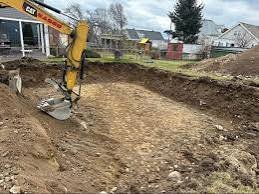
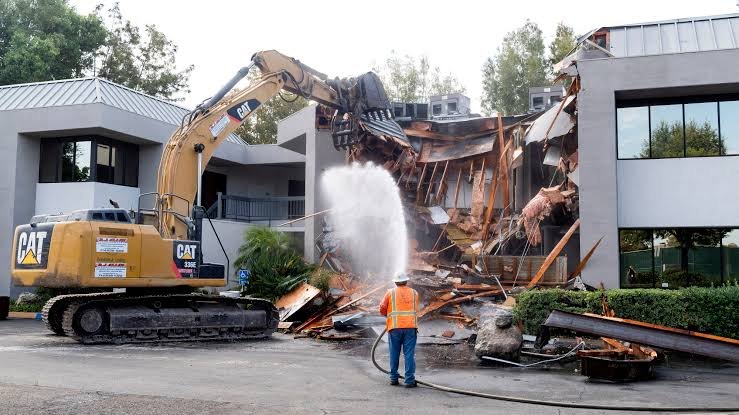
Stansell Demolition & Scrap Management removes unwanted structures for residential and commercial property owners. The company states that it uses manual methods and heavy equipment rather than explosives. That approach can be appropriate when a project calls for controlled removal, debris collection, and a site prepared for a future use.
Interior Strip-Outs
Not every project requires tearing down the entire building. An interior strip-out can be a better fit when the exterior shell will remain in place for renovation, repurposing, or redevelopment. Interior removal may include nonstructural materials, fixtures, and metal components, depending on the project scope and site conditions.
Property Cleanup and Material Removal
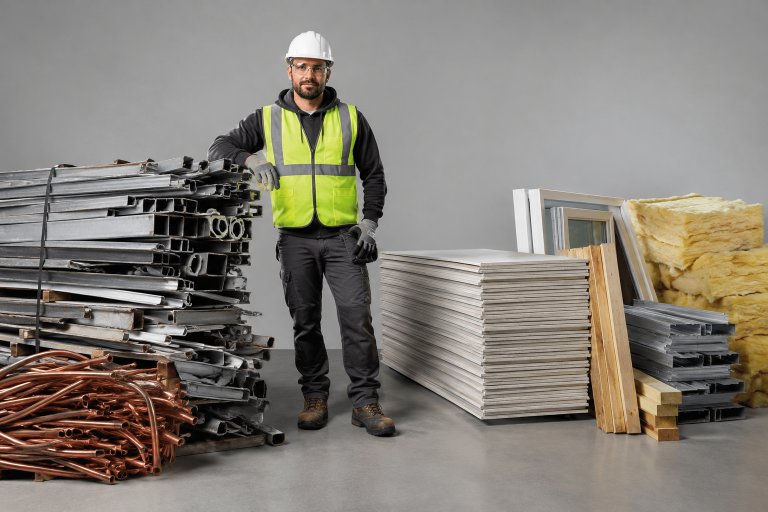
Demolition is not complete when the structure comes down. A usable result also depends on collecting debris, clearing work areas, and sorting materials where practical. Stansell Demolition & Scrap Management combines demolition and scrap management services, potentially reducing the need to coordinate with separate companies for removal and metal handling.
Why Do Safety, Permits, and Site Planning Matter?
Demolition involves more than equipment operation. A responsible plan considers the structure, adjoining properties, public access, utilities, fire protection, debris containment, and the materials that may be encountered during the work. Before authorizing demolition, property owners should confirm which local and state requirements apply to their specific site.
Ohio’s demolition guidance explains that projects may involve requirements for pedestrian protection, adjoining-property protection, water control, and utility disconnection. It also notes that full-building demolition, demolition connected to new construction, and partial or interior demolition can follow different application paths. Review the state’s building demolition requirements before work begins, then verify local permitting and fire department requirements as needed.
How Are Demolition Debris and Scrap Metal Handled?
A demolition project can produce concrete, wood, drywall, brick, roofing, steel, and other materials. The U.S. Environmental Protection Agency estimated that the United States generated about 600 million tons of construction and demolition debris in 2018. Understanding the materials involved helps owners plan for separation, transportation, recycling opportunities, and lawful disposal. The EPA’s overview of construction and demolition debris identifies common material categories and explains how debris may be directed to different end uses.
Stansell Demolition & Scrap Management states that it purchases unwanted scrap metal and offers recycling services for metal removed from work sites. Recycling options depend on the type of material, its condition, contamination, local acceptance standards, and project logistics. Sorting viable metal from mixed debris can make removal more manageable while helping keep recyclable material in a suitable recovery stream.
Oversized Metal and Torch Cutting
Some metal items are too large or awkward to transport in one piece. Stansell Demolition & Scrap Management offers torch cutting for steel and stainless steel, including large machinery, heavy equipment, bridges, railroad cars, rails, barges, shipping containers, and metal structures inside buildings. Cutting large metal should be completed by experienced professionals because weight, heat, coatings, stored energy, and surrounding materials can create serious job-site hazards.
What Should You Prepare Before Calling?
- The property address and your preferred contact information.
- The building’s approximate size, number of floors, and intended use.
- Photos showing the structure, entrances, access lanes, and nearby obstacles.
- Whether the request is for full demolition, interior strip-out, debris removal, or scrap metal pickup.
- Known utility locations and any environmental, fuel, chemical, or structural concerns.
- Your target completion date and plans for the site after removal.
During the conversation, ask how the site will be prepared, how debris will be managed, whether recyclable metal can be recovered, and what condition the property will be in when the work is complete. These questions help define the scope before scheduling begins.
Frequently Asked Questions
Does Stansell Demolition & Scrap Management handle both homes and commercial buildings?
Yes. The company states that it provides demolition solutions for unwanted residential and commercial structures, as well as scrap management and cleanup services.
Can the company remove only the inside of a building?
Yes. Complete interior strip-outs are available for projects in which the building shell will remain for renovation, redevelopment, or other future use.
Can large metal be cut before it is removed?
Yes. Stansell Demolition & Scrap Management offers torch cutting for oversized steel and stainless steel so it can be handled, transported, and processed more effectively.
What is the best way to begin a demolition request?
Call (937) 660-8173 with the property location, project type, site photos if available, access details, known hazards, and desired timeline. Providing those details early supports a more productive project discussion.