There’s something wonderfully convenient about turning on your kitchen faucet and filling a glass with fresh-tasting water. No trips to the grocery store for bottled water, no constantly refilling a filter pitcher, and no rearranging the refrigerator to make room for extra bottles.
For many households, though, getting to that point requires some thought about water treatment.
Perhaps your tap water has an unpleasant aftertaste, or you’re concerned about certain dissolved substances in your local water supply. Whatever the reason, installing a dedicated drinking water system could be a worthwhile home improvement.
Reverse osmosis technology offers an interesting approach, particularly for homeowners who appreciate compact equipment, straightforward operation, and convenient access to treated water throughout the day.
How Reverse Osmosis Works Without an Electrical Connection
Many household appliances depend on electricity, so it might come as a surprise that certain drinking water treatment systems can operate without an electrical outlet.
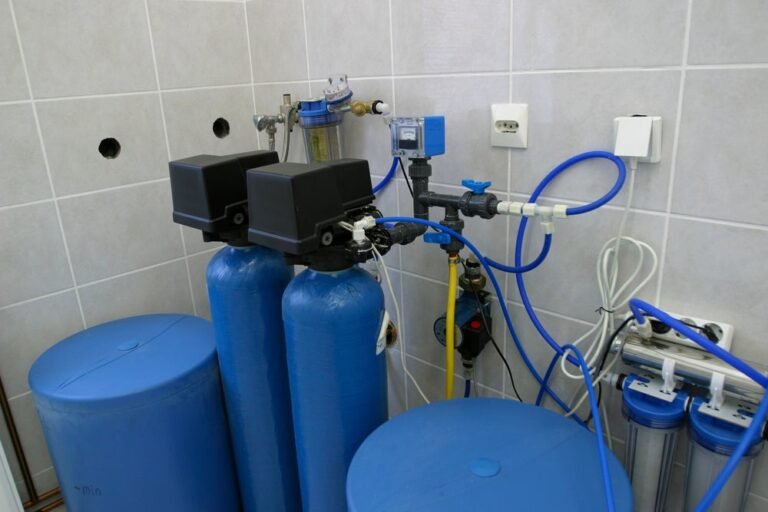
Properly designed non-electric reverse osmosis systems rely on sufficient incoming water pressure to move water through a semipermeable membrane rather than using an electrically powered pump.
During this process, the membrane separates water from many dissolved salts, minerals, and selected contaminants. Additional filtration stages may help protect the membrane and improve certain taste characteristics.
For homeowners, non-electric operation can offer some practical advantages. There’s no need for a dedicated electrical outlet for a fully non-electric unit, and installation may be more flexible in areas with limited electrical access.
However, adequate water pressure is essential. Homes with insufficient incoming pressure may require a different configuration or additional equipment.
Non-electric doesn’t mean maintenance-free, either. Filters still need replacing, and the membrane requires periodic attention.
It’s a relatively straightforward concept, but getting the equipment specifications right matters considerably.
Treat Drinking Water Where You Actually Need It
Not all the water flowing through your home needs the same level of treatment. The water used for washing clothes, flushing toilets, and watering plants serves different purposes from the water you drink.
That’s what makes point-of-use drinking water treatment such a practical choice for many households. Instead of treating the entire incoming water supply with membrane filtration, these systems focus on water used at a particular location, usually the kitchen sink.
This targeted approach can help homeowners address specific drinking water concerns without installing unnecessarily large equipment.
Think about your daily kitchen routine. You fill the kettle, prepare soup, rinse vegetables, and pour yourself a glass of water after getting home from work.
Having treated water readily available can make these ordinary activities more convenient.
Different treatment technologies may be suitable depending on your water conditions. Activated carbon filtration can address selected unwanted tastes and odors, while reverse osmosis provides additional reduction of many dissolved substances.
The right choice depends on what’s actually present in your water, not simply which technology sounds more advanced.
Make the Most of Your Kitchen Space
Kitchen countertops tend to become crowded surprisingly quickly. Between the coffee machine, toaster, utensils, and everything else, there’s rarely much room for another appliance.
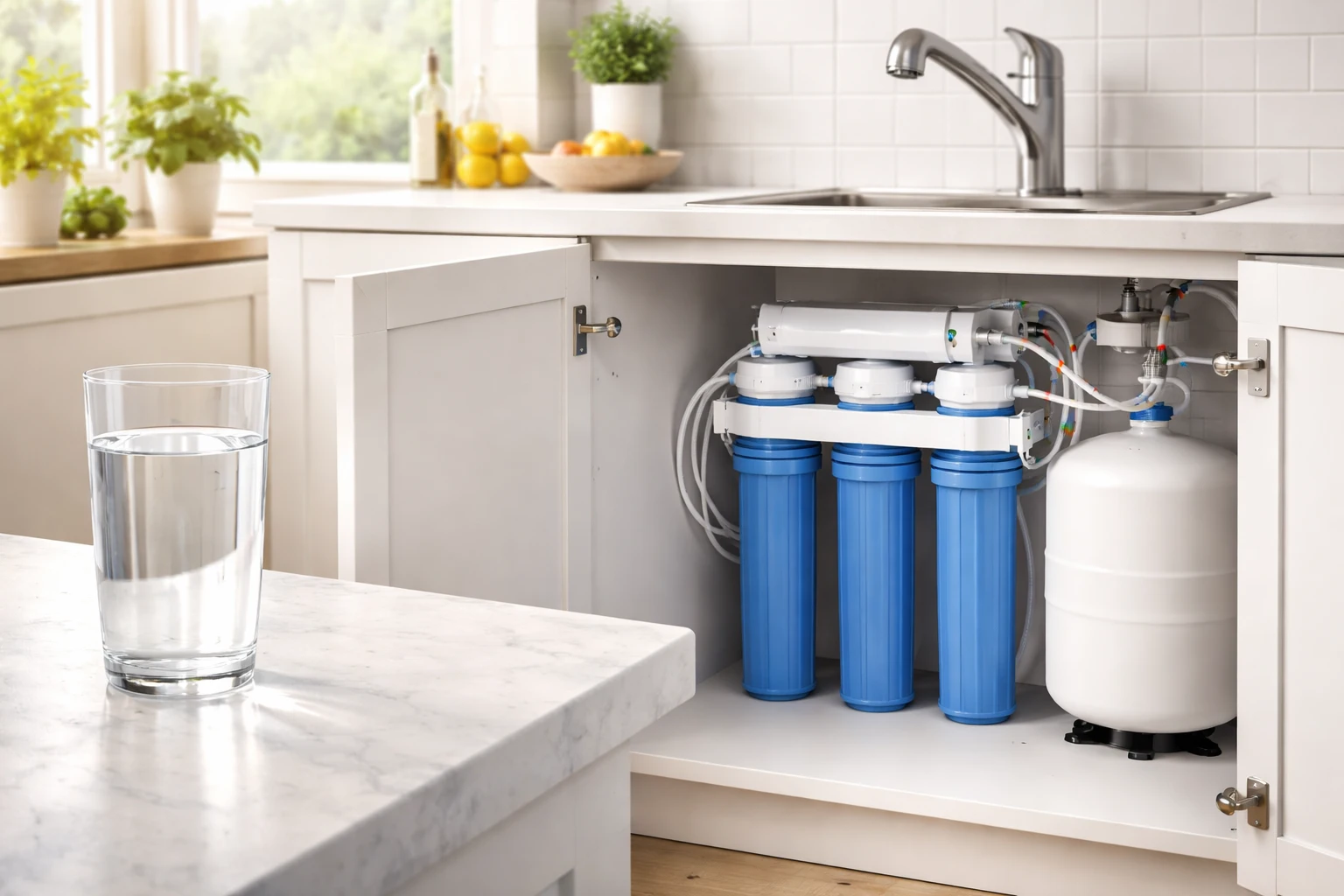
Installing under-sink RO water filtration offers homeowners a way to access treated drinking water while keeping most of the equipment tucked neatly out of sight.
These systems are typically connected to the cold-water supply and deliver treated water through a dedicated faucet or compatible dispensing arrangement.
Depending on the design, the installation may include filtration cartridges, a reverse osmosis membrane, and a treated water storage tank.
Before choosing equipment, consider several practical details:
- Available cabinet space beneath the kitchen sink.
- Incoming water pressure and plumbing connections.
- Daily drinking water consumption and delivery requirements.
- Filter replacement accessibility and maintenance expenses.
- Drainage arrangements for the concentrate stream.
- Verified contaminant reduction capabilities.
A compact system might look particularly appealing, but make sure it can comfortably meet your family’s requirements.
Nobody wants to empty the treated water supply halfway through preparing Sunday dinner.
Could Better-Tasting Water Reduce Your Reliance on Plastic Bottles?
Buying bottled water seems harmless enough until you realize how frequently those purchases happen.
Between school lunches, gym sessions, office hours, and everyday household consumption, plastic bottles can accumulate rather quickly.
A suitable drinking water filtration system may help reduce these recurring purchases. Filling reusable bottles at home becomes considerably easier when treated water is readily available.
There’s also the convenience of not having to carry heavy packages home from the supermarket.
Of course, reverse osmosis equipment consumes water during treatment and requires replacement components. Its overall environmental and financial benefits depend on equipment efficiency, maintenance, and household consumption habits.
Still, for families regularly purchasing bottled water, switching to an appropriately maintained household system may offer practical advantages.
Don’t Overlook Water Testing and Regular Maintenance
Before installing any drinking water treatment equipment, arrange appropriate testing to understand your existing water conditions.
Municipal water customers can review their utility’s water quality reports, while private well owners should arrange suitable laboratory testing for potentially harmful contaminants.
Remember, pleasant-tasting water isn’t automatically safe to drink.
Once your equipment is installed, follow manufacturer recommendations for cartridge replacements, membrane servicing, and periodic sanitation.
Keep track of maintenance dates and investigate unexpected changes in water flow or taste.
Enjoy Better Drinking Water on Your Own Terms
Improving household drinking water doesn’t require turning your kitchen into a complicated treatment facility.
Start with reliable information, compare suitable equipment, and choose an arrangement that fits your everyday lifestyle.
A refreshing glass of water after a long walk, a satisfying cup of morning coffee, or a reusable bottle filled before heading out the door might seem like ordinary comforts.
But having convenient access to appropriately treated drinking water makes those little moments easier to enjoy.
And that’s a pretty good reason to give your kitchen’s water supply some extra attention.