Key Takeaways
- Early planning helps control costs, protect workers, and reduce avoidable schedule disruptions.
- Soil, drainage, utility, access, and environmental conditions should be reviewed before earthwork begins.
- Trench safety, erosion controls, and clear project sequencing are essential on both urban and suburban sites.
- Regular communication with contractors, inspectors, neighbors, and utility owners keeps decisions moving.
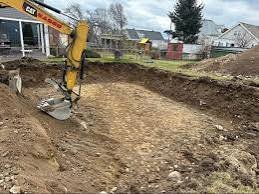
Preparing a construction site in Greater Boston involves more than bringing in an excavator and starting to dig. Dense neighborhoods, older infrastructure, variable soils, tight access, seasonal weather, and sensitive drainage areas can all affect how a project proceeds. Owners and project managers who identify those conditions early are better positioned to make practical decisions before the site becomes active.
For projects involving suspect soil, buried debris, or redevelopment of a previously used property, remediation services Boston MA can be part of the early planning conversation. Deloury Construction Co is an Andover-based civil construction company serving Boston and surrounding Massachusetts communities, with work that includes excavation, site development, demolition, and environmental remediation. That combination of field services is relevant when a project needs excavation and material-management decisions to work together rather than being treated as separate tasks.
Start With a Complete Site Review
A site walk should happen before equipment, trailers, or material deliveries arrive. Review existing buildings, pavement, fences, trees, slopes, drainage paths, curb cuts, sidewalks, and neighboring structures. On a constrained Boston-area parcel, a delivery route that looks workable on paper may not leave adequate room for trucks to turn, stage materials, or allow emergency access.
The site review should also identify where work could affect public ways, abutting homes, businesses, wetlands, or drainage features. Photographs and written notes establish existing conditions and give the owner, engineer, and contractor a shared starting point for budgeting, scheduling, and construction sequencing.
Confirm Soil and Ground Conditions
Ground conditions can change significantly across Eastern Massachusetts, and they may vary within a single property. A site can contain historic fill, clay, sand, groundwater, ledge, buried concrete, or other unexpected material. Those conditions can influence foundation design, trench support, retaining-wall work, drainage problems, steep grades, or unknown fill.
Review available surveys, prior reports, and property records before breaking ground. For deep excavation, structural work, retaining walls, drainage problems, steep grades, or unknown fill, a geotechnical review may provide information that helps prevent redesigns or work stoppages. If unsuitable material is found, the project team can then decide whether to remove it, stabilize it, revise the design, or adjust the sequence of work.

Locate Utilities Before Excavation
Utility marks are an essential safety step, but they are not a complete underground map. In Massachusetts, excavation planning should include a Dig Safe notification before excavation and a review of water, sewer, drainage, gas, electric, telecommunications, and private service lines. Private lines, abandoned services, and municipal facilities may require additional investigation beyond public utility markings.
Compare records with visible site features, such as meters, utility poles, cleanouts, catch basins, and building entry points. Where conditions are uncertain, carefully planned test pits can help confirm depth and location. Put responsibilities in writing: identify who will verify each utility, protect it, relocate it, coordinate a shutdown, or authorize work in the vicinity.
Build Trench Safety Into the Work Plan
Trenching and excavation require a dedicated safety plan, not an improvised field decision. Protective methods may include sloping, benching, shoring, or trench-box shielding, depending on soil conditions, depth, adjacent loads, and the work being performed. OSHA’s trenching and excavation guidance emphasizes cave-in protection, safe entry and exit, inspections by a competent person, and keeping materials away from excavation edges.
Plan for ladders, ramps, or other safe exit points before workers enter an excavation. Keep spoil piles, equipment, traffic, and suspended loads clear of trench edges. Water changes risk quickly, especially after heavy rain or groundwater intrusion, so conditions should be reassessed whenever the excavation changes. No schedule target justifies entering an unsafe or unprotected trench.
Control Stormwater, Dust, and Sediment
Exposed soil can move quickly during a storm, carrying sediment toward catch basins, streets, neighboring lots, wetlands, or coastal waterways. Install controls before substantial disturbance begins. Depending on the site, this may include stabilized construction entrances, inlet protection, silt barriers, temporary grading, mulch, erosion-control blankets, and temporary seeding.
These measures require inspection and maintenance. A torn barrier, clogged inlet protection, or muddy truck route can undermine an otherwise solid plan. Dust should also be controlled near homes, schools, sidewalks, and active businesses through practical measures such as applying water, covering loads, street cleaning, and careful handling of dry soil.
Screen for Environmental Risks Early
Older commercial, industrial, and redeveloped properties may have conditions that deserve additional review. Warning signs include stained soil, unusual odors, former tanks, buried waste, demolition debris, or records of historic industrial activity. Finding a potential concern does not automatically determine the remedy, but it does create a reason to pause, document conditions, and seek appropriate professional guidance.
When material needs special handling, the work plan should address sampling, soil segregation, worker protection, transportation documentation, and approved disposal or reuse options. Coordinating this work with excavation avoids mixing questionable material with otherwise reusable soil and helps prevent last-minute changes after trucks and crews are already on site.
Match the Contractor and Sequence to the Project
The lowest bid is not always the lowest overall project cost. Select a contractor with relevant experience in similar site constraints, including urban access, groundwater, utilities, demolition, environmental conditions, and work near occupied properties. Confirm insurance, safety procedures, equipment availability, subcontractor responsibilities, references, and daily communication procedures.
A Practical Preconstruction Sequence
- Document existing conditions during the initial site walk.
- Review plans, surveys, permits, utility information, and available environmental records.
- Confirm truck access, staging areas, traffic control, and emergency routes.
- Install erosion, sediment, dust, and stormwater controls.
- Verify utilities and establish excavation protection procedures.
- Complete clearing, demolition, excavation, drainage, and utility work in a controlled order.
- Inspect critical work before backfilling, paving, or placing foundations.
Plan for Weather, Changes, and Neighbors
Greater Boston weather can quickly alter site conditions. Rain, freezing temperatures, snow, groundwater, and muddy access routes should be addressed in contingency plans, including pumping arrangements, covered soil piles, winter protection, backup access routes, and clear stop-work triggers. Keep a reasonable allowance for rock, unsuitable soil, hidden utilities, and disposal changes, then document decisions with daily reports and photographs.
Conclusion
Successful construction site preparation in Greater Boston starts with understanding the conditions that can affect safety, cost, and scheduling before work begins. Reviewing soil, utilities, drainage, environmental risks, site access, and weather conditions helps project teams anticipate challenges and establish a practical work sequence. Choosing an experienced contractor and maintaining clear communication with inspectors, utility owners, workers, and neighbors can also reduce avoidable delays. For projects involving excavation, demolition, site development, or environmental concerns, Deloury Construction Co offers related civil construction and remediation services to support a coordinated approach from early planning through site work.