There’s something unsettling about hearing the wind howl outside while rain pounds against your windows. Even if your home feels perfectly secure, you can’t help wondering how well the roof is holding up. By morning, the skies might have cleared, but the effects of the storm could remain.
Repeated exposure to heavy rain and strong winds can weaken roofing materials, loosen protective components, and create openings where moisture can enter your home.
Unfortunately, weather-related damage isn’t always obvious. A roof that looks perfectly normal from the driveway might have developed problems that only become noticeable during the next downpour.
Knowing what to look for and how to respond can help you protect your property without making rushed or unnecessarily expensive decisions.
How Severe Weather Affects Your Roofing System
Most residential roofs are designed to withstand ordinary weather conditions. However, particularly powerful storms can put considerable pressure on even well-maintained roofing systems.
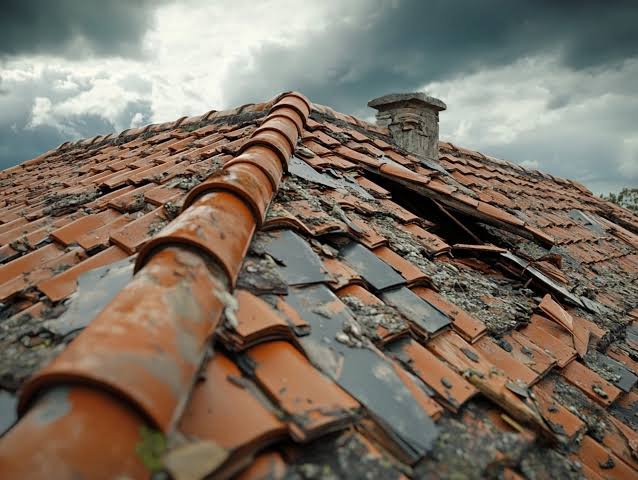
Strong gusts may lift shingles and weaken their adhesive seals. Falling branches can crack roofing materials, while wind-driven debris may damage flashing or other exposed components.
Rainwater can then find its way through these vulnerable areas.
Interestingly, some roofing problems don’t become noticeable until several days after a storm. Moisture might gradually travel through the attic before appearing as a discolored patch on the ceiling.
That’s why assuming everything is fine simply because there’s no immediate leak can be misleading.
Following severe weather, an inspection is often worthwhile, especially if your roof is older or has experienced previous damage.
Recognizing the Need for Professional Storm Repairs
Finding scattered shingles in the backyard is a fairly obvious indication that something needs attention. Other warning signs, however, are much easier to overlook.
Professional roofing storm damage repairs can address problems ranging from displaced shingles and damaged flashing to more extensive deterioration affecting the underlying roof structure.
A thorough assessment should consider how different roofing components have been affected rather than focusing exclusively on visible surface damage.
For example, a fallen branch might damage protective materials and the decking beneath them. Simply covering the affected area could leave concealed problems unresolved.
Ask your contractor to explain the extent of the damage and why particular repairs are recommended.
Understanding what you’re paying for makes it easier to distinguish necessary restoration work from optional improvements.
Dealing With Water Leaks Before They Spread
Few household problems are as frustrating as discovering water dripping from the ceiling after a storm. Apart from the immediate inconvenience, there’s the uncertainty of not knowing where the water entered.
Effective roof leak repairs after storms involve identifying the original entry point, assessing surrounding damage, and restoring the protective components responsible for keeping moisture outside.
Common trouble spots include roof valleys, chimney flashing, skylight connections, and damaged vent seals.
Water can travel considerable distances through concealed spaces, meaning the visible ceiling stain might be nowhere near the original opening.
If you discover an active leak, move furniture and belongings away from the affected area when it’s safe. Avoid wet electrical fixtures and swollen ceilings.
Contact a qualified professional promptly rather than attempting to climb onto a potentially damaged roof.
What to Check Once the Weather Has Cleared
You don’t need specialized roofing knowledge to recognize certain signs of storm damage.
Once conditions are safe, walk around your property and observe the roof from ground level. Look for missing materials, uneven sections, loose gutters, and damaged exterior trim.
Inside the house, check for unfamiliar damp patches or persistent musty odors.
Take photographs of visible damage and make a note of when you first noticed it. These details can be useful when discussing repairs or contacting your insurance provider.
Remember that not every damaged component will be visible from the driveway.
A professional inspection becomes particularly valuable when the storm was unusually severe or when indoor moisture problems appear without an obvious explanation.
Should You Repair the Damage or Replace the Entire Roof?
It’s a question many homeowners struggle with after severe weather.
A relatively new roof with damage concentrated in one area might only require targeted repairs. An older roof with widespread deterioration, however, could benefit from complete replacement.
Consider the roof’s previous condition alongside the recent storm damage.
If you’ve already experienced recurring leaks or frequent repairs, investing in another temporary solution might not provide the best long-term value.
Request a detailed assessment and compare the available options.
The objective should be restoring dependable protection without spending more than your property genuinely requires.
Preparing Your Roof for Future Storms
While nobody can control the weather, homeowners can take practical steps to reduce certain risks.
Keep drainage systems clear through safe maintenance arrangements, have potentially hazardous tree branches assessed, and address deteriorating roofing components before storm season.
If replacement becomes necessary, consider materials with suitable wind and impact-resistance characteristics for your local climate.
Keep previous inspection reports, maintenance records, and photographs organized as well.
These documents may become particularly useful if you need to establish your roof’s condition before a future weather-related event.
Restoring Confidence in Your Home
Recovering from storm damage isn’t always quick or straightforward. There may be unexpected expenses and a few inconvenient days while repairs are underway.
Nevertheless, addressing damage properly is worth the effort.
Work with experienced professionals, investigate hidden concerns, and maintain your roofing system once restoration is complete.
Your home should be somewhere you feel comfortable, even when the weather outside becomes unpredictable.
And when the next storm rolls through, knowing you’ve taken sensible steps to protect your roof can make those rainy evenings considerably more peaceful.