Most people only think about their home’s water when it starts misbehaving. Maybe the shower smells faintly like chlorine. Maybe the ice cubes taste odd. Maybe the dishwasher leaves cloudy spots on glasses, even after you’ve switched detergent, rinse aid, and half your patience. Water is one of those quiet household essentials that gets taken for granted until it becomes annoying.
And yet, water touches almost everything. It goes into your coffee, your soup, your washing machine, your water heater, your shower, your pets’ bowls, and the glass you keep on the bedside table. When the water feels wrong, the whole home feels slightly off. Not broken, exactly. Just not as comfortable as it should be.
The Problem Is Not Always at One Faucet
A lot of homeowners start with a small fix. A pitcher filter. A fridge filter. Maybe a tap-mounted filter in the kitchen. These can help with taste in one place, and there is nothing wrong with that. But if the issue is spread across the home, one small filter will only solve one small part of the problem.
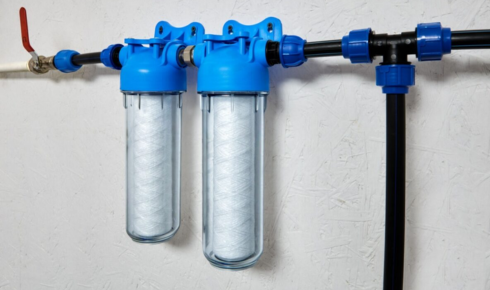
That is where a whole house water filter can make more sense. Instead of treating water only at the kitchen sink, it is installed where water enters the home, so every tap benefits from some level of filtration. The shower, laundry, dishwasher, bathroom sinks, and water heater all receive treated water, depending on the type of system installed.
This matters because many water issues do not stay politely in the kitchen. Chlorine smell shows up in the shower. Sediment reaches appliances. Iron stains sinks and toilets. Hardness leaves scale on fixtures. If the whole home is affected, the solution often needs to start at the whole-home level.
Why Water Quality Feels Personal
Water problems are not always dramatic. Sometimes they are small irritations that slowly become normal. You scrub white buildup from faucets. You avoid drinking from the bathroom tap. You buy bottled water for guests. You notice your skin feels dry after every shower, but you tell yourself it is probably the weather.
The truth is, water quality affects daily comfort more than people realise. It can influence taste, smell, laundry results, fixture buildup, plumbing performance, and even how clean you feel after bathing. Not every issue is dangerous, of course, but annoying water is still worth fixing.
Good water should not make you suspicious. You should not have to sniff a glass before drinking from it or wonder why the kettle keeps getting crusty inside.
Every Home Has a Different Water Story
Two homes in the same neighbourhood can have different water experiences. One may deal with heavy scale. Another may have chlorine taste. Another might struggle with sediment or iron staining. The source water matters, but so do plumbing age, pipe material, water heater condition, and household usage.
Private well water adds another layer. Wells can be affected by underground minerals, seasonal changes, nearby land use, heavy rain, drought, and natural gases. Municipal water is treated before reaching homes, but it may still carry disinfectant taste or pick up particles through distribution lines and household plumbing.
This is why guessing can get expensive. A filter that works beautifully in one home may not be the right answer in another.
What a Good System Can Actually Do
A properly selected water filtration system is not magic, and it should not be sold like magic. Its job is to target specific problems. Some systems reduce sediment. Some improve taste and odour. Some help with chlorine. Others are designed for iron, sulfur smells, or certain contaminants. Some homes need filtration only, while others may need filtration plus softening.
That distinction is important. A water softener is useful for hardness minerals, but it is not the same as a filter for taste or contaminants. A carbon filter may improve smell and flavour, but it will not solve every possible water concern. Reverse osmosis can be excellent for certain drinking-water needs, but it is usually installed at one point rather than for the whole house.
The best system is the one matched to your actual water.
Testing Should Come Before Buying
A water test can save a lot of confusion. It can show hardness, iron, manganese, chlorine, pH, sediment, total dissolved solids, bacteria, nitrates, or other concerns depending on the type of test. Once those results are clear, choosing the right treatment becomes much easier.
This is especially true for well owners. Private wells are not monitored in the same way as public water systems, so homeowners need to take the lead. Testing once and forgetting forever is not ideal either. Conditions can change over time, especially after flooding, construction, repairs, drought, or sudden changes in taste and smell.
Testing is not about creating worry. It is about removing guesswork.
The Everyday Difference Better Water Makes
People often expect water treatment to feel like a big dramatic change. Sometimes it does, especially if the old water smelled bad or stained everything. But often the improvement is quieter.
Coffee tastes cleaner. Showers feel fresher. Towels rinse better. The dishwasher leaves fewer spots. Faucets stay nicer for longer. The water heater may deal with less sediment stress. Guests stop reaching for bottled water. You stop thinking about the water so much, which is probably the best sign.
That is the real value of cleaner water in the home. It makes ordinary routines feel easier. Not fancy. Not complicated. Just better.
Do Not Forget Maintenance
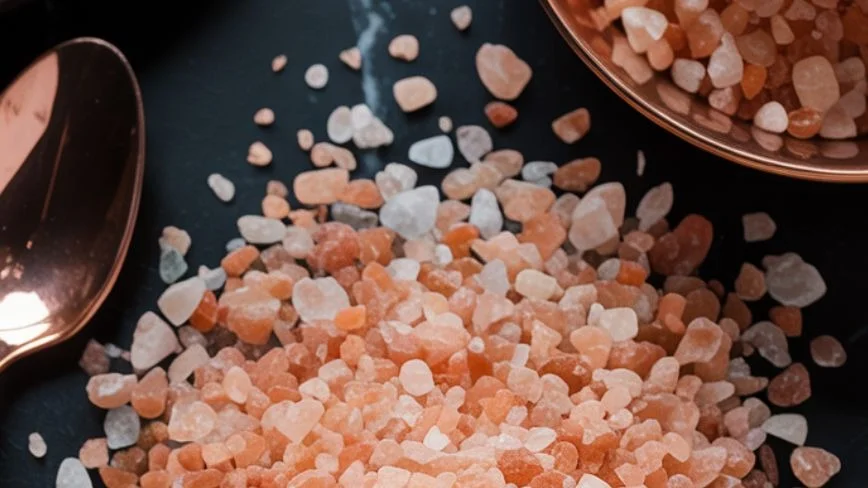
Any water system needs maintenance. Filters must be replaced. Media may need servicing. Salt may be needed if a softener is part of the setup. Ignoring maintenance can reduce performance and, eventually, make the system less useful.
The good news is that maintenance is usually manageable when the system is properly sized and installed. A professional can explain the schedule clearly, and homeowners should keep a simple record of filter changes or service dates. It is not exciting, but it keeps everything working as intended.
A Smarter Way to Think About Home Water
Better water starts with paying attention. Notice taste, smell, stains, scale, cloudy glasses, dry skin, or changes in pressure. Then test the water instead of guessing. After that, choose a treatment option that fits the home, the results, and the way your family actually uses water.
A good filtration setup is not about adding equipment for the sake of it. It is about making the water in your home more reliable, more pleasant, and easier to trust.
Because water should not be something you worry about every day. It should simply do its job — quietly, clearly, and without making itself the main topic in the house.