Electrical systems are easy to forget about when everything is working. Lights come on. Machines start. Computers charge. The coffee maker does its job, which, let’s be honest, is often the most important system in the building on a Monday morning. Power becomes part of the background noise of life, something we expect to be there without much thought.
But electricity is not something that should be ignored forever.
Whether it is a home, office, shop, warehouse, rental property, or busy commercial site, the electrical setup behind the scenes needs care. Not panic. Not constant worry. Just sensible attention from time to time. Because small issues, when left alone, have a bad habit of growing into bigger and more expensive problems.
Why Electrical Care Matters More Than People Think
A building’s electrical system works hard every day. It supports lighting, heating, cooling, appliances, security systems, internet equipment, machinery, emergency systems, and all the small devices people rely on without counting them.
Over time, parts wear down. Connections loosen. Circuits become overloaded. Panels age. Fixtures get damaged. New equipment is added without anyone checking whether the system was designed to handle it. None of this is unusual, but it does mean property owners need to stay aware.
This is where regular maintenance becomes so valuable. It helps identify early warning signs before they become sudden failures, safety risks, or costly interruptions.
A maintenance visit may not feel exciting, but it can bring real peace of mind. It gives homeowners and business owners a clearer picture of what is working well, what needs attention, and what can be planned for later.
The Warning Signs Are Often Quiet
Electrical problems do not always arrive dramatically. Sometimes the first signs are small and easy to brush aside. A breaker trips every few weeks. A light flickers in one room. A socket feels warmer than usual. A buzzing sound comes from a switch. An appliance works in one outlet but not another.
People often get used to these little problems. They work around them. They reset the breaker, change the bulb, avoid using certain plugs, or joke that the building has “a personality.” Older buildings especially get treated this way.
But those signs may be pointing to something underneath the surface. Loose wiring, worn components, overloaded circuits, or poor installation can all hide behind ordinary-looking walls and fixtures. The longer they are ignored, the harder they can be to fix properly.
Equipment Needs Proper Attention Too
In many properties, the system is not only made up of wires and outlets. There are panels, breakers, lighting fixtures, switches, alarms, backup systems, machinery connections, surge protection devices, and control systems. Each piece plays a part in keeping the building safe and functional.
Well-maintained electrical equipment helps reduce downtime, protect appliances and machinery, and support safer daily use. This is especially important in commercial spaces where a single failure can affect staff, customers, stock, or production.
For example, a restaurant cannot afford unreliable refrigeration. A shop needs working tills and lighting. A warehouse depends on safe power for loading areas, equipment, and security. Even a small office can lose valuable time if power issues affect computers, routers, or communication systems.
Good electrical care keeps these systems from becoming weak links in the day.
Safety Should Never Be Treated Casually
Electricity deserves respect. Not fear, exactly, but respect. Poorly maintained electrical systems can create risks that are not visible at first glance. Overheating wires, damaged insulation, loose connections, faulty outlets, and overloaded circuits may all develop quietly.
For homeowners, this can put families and property at risk. For businesses, the responsibility is wider. Employees, customers, visitors, tenants, and suppliers may all be using the space. That means safety is not just a personal concern; it is part of responsible property management.
A safe electrical system supports confidence. People can use the building without wondering whether the next flicker or trip is something serious. And that matters more than most people realise.
When a Professional Should Take a Look
There is a limit to what a property owner can safely judge from the outside. You can notice symptoms, sure. You can see when something looks damaged or behaves strangely. But understanding the cause is different.
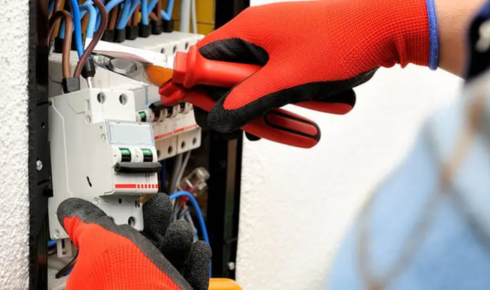
A professional evaluation gives a clearer and safer answer. A qualified electrician can inspect panels, test circuits, check grounding, review load capacity, identify worn parts, and explain what should be repaired or upgraded.
This does not always mean a major project is needed. Sometimes the solution is simple. Other times, the inspection reveals that the system needs a more careful plan. Either way, guessing is removed from the process.
That alone is worth a lot.
Maintenance Can Save Money Over Time
It is tempting to delay electrical work until something stops working completely. Many people do. Budgets are tight, and invisible problems do not always feel urgent.
But emergency repairs usually cost more than planned work. They also arrive at the worst possible time. A sudden outage during business hours, a failed panel before a busy weekend, or a lighting problem in a customer area can create stress that could often have been avoided.
Planned maintenance allows owners to budget, schedule work sensibly, and avoid unnecessary disruption. It also helps extend the life of systems and equipment. A small repair today can prevent a much larger replacement later.
Older Buildings Need Extra Care
Older properties often have charm, but they may also have electrical systems that were designed for a different time. Years ago, buildings did not need to support today’s number of appliances, chargers, screens, smart devices, security systems, and high-demand equipment.
That does not mean every older property is unsafe. It simply means it should be checked properly. Previous repairs, tenant changes, DIY alterations, and outdated components can create a confusing mix behind the scenes.
A careful inspection can separate harmless age from genuine risk.
A More Reliable Building Starts With Awareness
Good electrical care is not about overcomplicating property ownership. It is about paying attention before problems become urgent. It is about keeping people safe, protecting equipment, reducing downtime, and making sure the building can support real daily life.
The best systems are often the ones nobody thinks about because they simply work. Lights stay steady. Outlets feel safe. Equipment runs properly. Breakers do not trip for no reason. The building feels dependable.
That quiet reliability is not luck. It comes from care, inspection, and making smart decisions at the right time.