There’s a moment most solo entrepreneurs hit. It usually comes late at night, somewhere between replying to emails and trying to remember if you scheduled that social media post. You realize—you’re doing everything. Marketing, customer support, invoicing, content, follow-ups… the list just keeps growing.
And for a while, it feels manageable. Even exciting. But then, slowly, it becomes overwhelming.
That’s where something interesting has started happening—not loudly, not dramatically—but in a way that’s quietly changing how solo businesses operate.
The One-Person Business Isn’t What It Used to Be
A few years ago, being a solo entrepreneur meant wearing ten hats and constantly juggling priorities. Productivity was mostly about hustle. Longer hours, more coffee, fewer breaks.
Now? It’s shifting.
People are still working hard, sure. But they’re working smarter. They’re letting systems take over the repetitive stuff—the kind of tasks that drain energy without really moving the business forward.
And that’s where automation tools step in.
What Automation Really Looks Like (Beyond the Buzzword)
Let’s clear something up—automation isn’t just about robots or complex coding setups. In fact, most of it is surprisingly simple.
It’s scheduling emails so they send themselves.
It’s setting up workflows where a new lead automatically gets a welcome message.
It’s tools that organize your tasks, track your invoices, or even reply to common customer queries.
Think of it like setting up a system once… and letting it run quietly in the background.
No drama. Just consistency.
Why Solo Founders Are Leaning Into It
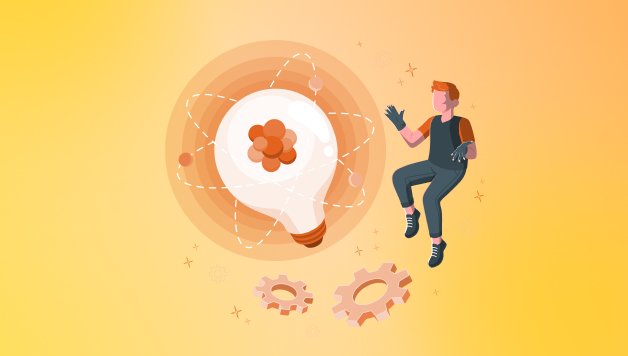
When you’re running a business alone, time becomes your most limited resource. You can’t scale yourself—but you can scale systems.
That’s why conversations around Solo entrepreneurs ke liye automation tools kaise game change kar rahe hain? are becoming more common, especially in online business communities.
Because once you experience even a small bit of automation—like not having to manually send every invoice—it’s hard to go back.
It’s not just about saving time. It’s about reducing mental load.
The Emotional Side of Automation (Yes, It Exists)
Here’s something people don’t talk about enough: automation doesn’t just make your business efficient—it makes your life calmer.
Imagine waking up and not feeling like you’re already behind.
Or knowing that even if you take a day off, your business won’t completely stall.
That sense of breathing space? It matters more than any productivity hack.
Solo entrepreneurship can feel isolating sometimes. Automation, in a strange way, acts like a silent team member—reliable, predictable, always there.
Where It Actually Makes the Biggest Difference
Not every task needs automation. And honestly, trying to automate everything can get messy.
But there are certain areas where it really shines:
1. Lead Management
When someone shows interest in your product or service, timing matters. Automation ensures they get an immediate response, even if you’re offline.
2. Email Marketing
Instead of writing individual emails, you create sequences. New subscribers get nurtured automatically, building trust over time.
3. Social Media Scheduling
You batch-create content and schedule it. No more daily scrambling to post something.
4. Payments and Invoicing
Recurring invoices, reminders, confirmations—it all happens without manual effort.
5. Customer Support Basics
FAQs, chatbots, quick replies. Not perfect, but enough to handle routine queries.
These small efficiencies stack up in a big way.
The Balance Between Automation and Authenticity
Now, here’s the tricky part.
Automation can sometimes feel… impersonal. Robotic. And that’s the last thing you want, especially if your brand is built on connection.
The key is balance.
Use automation for structure, but keep your voice human. Personalize where it matters. Add small touches—like using names, writing emails that sound like you, not like a template.
Because at the end of the day, people still want to connect with people.
It’s Not Just for “Big” Businesses Anymore
There was a time when automation tools felt expensive or complicated—something only larger companies could afford.
That’s changed.
Today, there are tools designed specifically for solo entrepreneurs. Simple interfaces, affordable pricing, and features that don’t require a tech background.
And that accessibility is a big reason why Solo entrepreneurs ke liye automation tools kaise game change kar rahe hain? isn’t just a theory—it’s something people are experiencing in real time.
A Shift in How Success Feels
Success used to look like being busy all the time. A packed schedule, constant activity.
Now, it’s starting to look different.
It looks like having systems that work even when you don’t.
It looks like having time to think, create, and rest.
It looks like not being tied to your screen every waking hour.
Automation doesn’t build your business for you. But it gives you the space to focus on what actually matters—the ideas, the relationships, the growth.
The Quiet Advantage
If you’re a solo entrepreneur and you haven’t explored automation yet, it might feel a bit intimidating at first. That’s normal.
Start small. Automate one thing. Then another.
Over time, you’ll notice the difference—not just in productivity, but in how you feel running your business.
Less chaos. More clarity.
And maybe, just maybe, a little more freedom than you thought was possible.