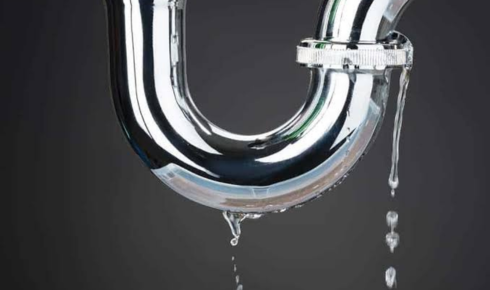
Most plumbing trouble doesn’t start with water pouring through the ceiling. Sometimes it begins with a tiny drip under the sink, a tap that coughs before it runs, or a shower that suddenly feels weaker than it did last month. Easy things to ignore, really. You tell yourself you’ll look at it later, and then later becomes next weekend, and next weekend becomes “why is the cabinet floor wet?”
That’s the thing about home plumbing. It works quietly in the background, carrying clean water in and waste water out, day after day. When it’s healthy, nobody thinks about it. When something goes wrong, though, it can interrupt the whole mood of a home pretty quickly.
A slow leak, weak flow, or hidden crack in a pipe may not seem urgent at first. But plumbing issues rarely improve on their own. They usually spread, waste water, damage surfaces, and make repairs more expensive if left too long.
The Early Signs Are Often Easy to Miss
Many homeowners don’t notice plumbing problems until there’s visible water damage. But the early signs are usually there. A damp smell near a cabinet. A small stain on a ceiling. A pipe that makes odd knocking sounds. A water bill that suddenly creeps up for no obvious reason.
Even minor leaking pipes deserve attention because they can damage wood, drywall, flooring, insulation, and even electrical areas nearby. A tiny leak may look harmless, but over weeks or months it can create mould, rot, and structural issues that are far more stressful than the original repair.
The tricky part is that some leaks stay hidden behind walls or under floors. By the time water stains appear, the problem may already have been there for a while. That’s why unusual moisture, musty smells, or unexplained changes in water usage should never be brushed off.
Why Water Pressure Tells a Story
Water pressure is one of those things people notice immediately when it changes. A strong shower becomes disappointing. The kitchen tap takes forever to fill a pot. The washing machine seems slower. At first, it feels like an inconvenience, but it can also point to a bigger plumbing concern.
Low water pressure may come from mineral buildup, corroded pipes, hidden leaks, faulty valves, blocked fixtures, or issues with the main supply line. Sometimes the fix is simple, like cleaning an aerator. Other times, it takes proper inspection to find out what’s restricting the flow.
The mistake many people make is adjusting to it. They just accept weak water as “how the house is now.” But if pressure drops suddenly or affects multiple fixtures, it’s worth checking. Plumbing systems have patterns, and a pressure change is often the system’s way of waving a small red flag.
How Pipes Become Damaged Over Time
Pipes don’t last forever. Age, water quality, temperature changes, pressure fluctuations, ground movement, poor installation, and corrosion can all wear them down. In colder climates, freezing can also cause cracks or bursts. In older homes, outdated materials may create additional risk.
The problem with pipe damage is that it can stay out of sight until it becomes serious. A pipe inside a wall can slowly corrode or crack without anyone noticing. Underground lines can shift or break. Joints can loosen. Seals can wear out.
And once water escapes where it shouldn’t, it doesn’t politely stay in one place. It travels. It seeps into walls, spreads beneath flooring, and finds the lowest point it can. That’s why even a small plumbing issue can create damage far away from the original source.
The Cost of Waiting Too Long
Delaying plumbing repairs is understandable. Nobody wants another expense, especially when the issue seems minor. But waiting can turn a simple fix into a much larger project.
A small leak might only require tightening a fitting or replacing a short section of pipe. Left alone, it could lead to cabinet replacement, flooring repairs, mould treatment, and higher water bills. A pressure issue might begin with a clogged fixture but later reveal corrosion throughout older pipework.
There’s also the emotional cost, which people don’t talk about much. Plumbing problems are disruptive. They make the home feel unsettled. Buckets under sinks, towels on the floor, emergency calls, damaged belongings — it’s exhausting. Fixing issues early is not just about money. It’s about avoiding chaos.
When DIY Helps and When It Doesn’t
Some basic plumbing tasks are perfectly fine for a careful homeowner. Cleaning a tap aerator, checking visible connections, replacing a showerhead, or spotting obvious leaks can be manageable. A little awareness goes a long way.
But deeper plumbing problems need professional attention. Hidden leaks, repeated pressure issues, damaged supply lines, water stains, burst pipes, and corrosion should be handled properly. Plumbing involves pressure, materials, building codes, and sometimes areas behind walls or under slabs. Guesswork can make the damage worse.
A qualified plumber can test pressure, inspect pipe condition, locate leaks, and recommend repairs that actually solve the cause rather than just covering the symptom.
Prevention Makes Life Easier
Good plumbing care doesn’t have to be complicated. Homeowners can check under sinks now and then, watch for stains, listen for unusual pipe sounds, and pay attention to water bills. It also helps to know where the main shut-off valve is. In an emergency, that knowledge can save a lot of damage.
Regular inspections are especially useful in older homes or properties with a history of plumbing repairs. Catching corrosion, loose fittings, or early leaks before they cause visible damage can make a big difference.
Water quality matters too. Hard water can contribute to mineral buildup inside pipes and fixtures. In some homes, filtration or softening systems may help protect plumbing and improve flow over time.
A Healthy Plumbing System Keeps the Home Calm
Plumbing is not the most glamorous part of a home, but it is one of the most important. It supports showers, cooking, cleaning, laundry, heating systems, and basic daily comfort. When it works well, life feels normal. When it fails, everything feels more complicated.
The best approach is simple: don’t ignore the small signs. A drip, pressure change, damp smell, or stain may be the first clue that something needs attention. Acting early can protect the home, reduce repair costs, and prevent those stressful surprises nobody wants.
A well-maintained plumbing system doesn’t ask for attention every day. It just does its job quietly. And honestly, that’s exactly what every homeowner wants.