
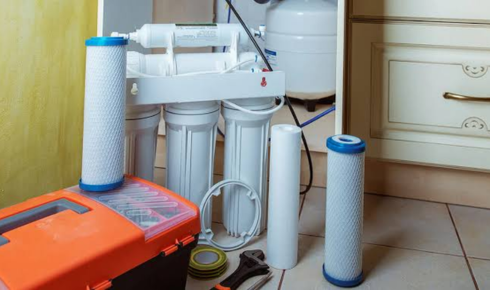

A good water system should not demand attention every day. It should sit quietly in the background, doing its job while you make coffee, fill bottles, cook dinner, run the dishwasher, or offer a glass of water to someone at work. That is what people expect from it: clean, steady, dependable water without fuss.
But even the best equipment needs care. Filters age. Parts wear. Settings drift. Water conditions change. And when nobody checks the system for months or years, small issues can slowly turn into expensive problems. The strange thing is, water systems often keep working just well enough that people ignore the warning signs.
A little planning can prevent a lot of trouble later.
Why Water Systems Should Not Be Forgotten
Most homeowners and business owners remember maintenance for obvious things like cars, air conditioners, or heating systems. Water equipment is easier to overlook because it is usually hidden under a sink, in a utility room, or tucked beside other plumbing.
Still, water treatment systems handle a steady workload. Every day, water passes through filters, softeners, membranes, valves, tanks, lines, or dispensers. That water may carry minerals, sediment, chlorine, iron, or other substances the equipment is designed to manage.
Over time, those parts need attention. Ignoring them does not make the system stronger. It simply gives problems more time to build.
The Small Signs That Something Is Off
A water system rarely announces trouble dramatically at first. More often, the signs are subtle. Water tastes a little different. Flow becomes slower. Ice looks cloudy again. The dispenser takes longer to fill a bottle. A softener seems to use more salt. A filter housing starts looking older than it should.
At home, these changes may show up in cooking, coffee, laundry, or showering. In an office, staff may start complaining that the cooler water tastes “off.” In a clinic, gym, salon, or school, a weak or unreliable water station can quickly become inconvenient.
Small signs are worth noticing because they are often easier to fix early.
Repairs Are Better When They Are Not Emergencies
Nobody enjoys emergency repair calls. They usually happen at the worst time: before guests arrive, during a workday, in the middle of a busy week, or right when a business needs the water station most.
That is why repairs and maintenance plans are so useful. They combine regular checkups with a practical way to handle problems before they become urgent. A plan may include scheduled inspections, filter changes, cleaning, performance testing, and priority support if something fails.
It is not glamorous, but it is sensible. Preventive care is usually cheaper, calmer, and more predictable than waiting until the system stops working.
Performance Depends on More Than Equipment
A water system is only as good as the condition it is kept in. A high-quality filter that is overdue for replacement will not perform like new. A reverse osmosis membrane that has been ignored may reduce flow and quality. A water cooler that is not cleaned regularly may become unpleasant. A softener with wrong settings may waste salt or fail to reduce hardness properly.
Regular service protects system performance by checking whether the equipment is still doing what it was installed to do. That may mean testing water quality, adjusting settings, replacing worn parts, cleaning components, or spotting early wear.
Good performance is not a one-time achievement. It is something maintained over time.
Water Conditions Can Change
One reason maintenance matters is that water itself can change. Municipal water may vary in chlorine levels, taste, or sediment depending on treatment and infrastructure. Well water can shift after heavy rain, drought, construction, flooding, or seasonal changes in groundwater.
A system that worked perfectly two years ago may need adjustment today. Maybe the household is larger now. Maybe an office has added more employees. Maybe the water source has changed slightly. Without periodic checks, these changes can go unnoticed.
Routine maintenance helps keep the system matched to real conditions, not old assumptions.
Filter Changes Are Not Optional
Filters are designed to trap, reduce, or manage unwanted substances, but they have limits. Once a filter is full or worn out, water quality can drop. Flow may slow. Taste and odour may return. In some systems, overdue filters can put extra strain on other components.
This is one of the simplest maintenance tasks, yet it is also one of the most commonly delayed. People forget the date. The system is hidden away. The water still seems fine, so the filter stays in place too long.
A clear service schedule solves that. It keeps filtration consistent and removes the guesswork.
Why Businesses Need Extra Reliability
For businesses, water system care is not just about comfort. It can affect staff experience, customer impressions, and daily operations. Offices, gyms, healthcare spaces, schools, hospitality venues, and warehouses often rely on drinking water stations throughout the day.
If a dispenser stops working or water quality drops, people notice quickly. A planned maintenance approach keeps things running with fewer surprises. It also reduces the burden on managers who already have enough to track.
Reliable water is a small operational detail, but when it fails, it suddenly feels much bigger.
Choosing Support That Makes Life Easier
A good service provider should make maintenance simple. They should explain what the system needs, how often service should happen, what parts may wear, and when filters should be replaced. They should also give clear advice without making every small issue sound like a crisis.
The best support feels practical and honest. A technician checks the system, handles what needs doing, answers questions, and leaves everything working properly. No mystery, no pressure, no confusing jargon.
That kind of relationship matters because water equipment is meant to last.
A Little Care Goes a Long Way
Keeping a water system healthy does not require constant attention. It just needs the right attention at the right time. Regular inspections, timely filter changes, clean equipment, and quick repairs can help prevent major headaches.
Whether the system serves a family kitchen, a whole home, or a busy workplace, the goal is the same: steady, fresh, reliable water every day.
The best water systems are easy to forget because they work so well. Maintenance is what helps keep them that way.

