A clogged drain has a funny way of making a normal day feel slightly chaotic. One minute you’re rinsing dishes, taking a shower, or running a load of laundry. The next minute, water is backing up, the drain is making odd noises, and everyone in the house suddenly has an opinion about what caused it.
For small clogs, a basic cleaning may be enough. But when buildup is deep, stubborn, or keeps returning, plumbers often recommend a more serious cleaning method. That’s where hydro jetting comes in. It sounds intense, and to be fair, it is powerful. But powerful doesn’t automatically mean reckless. In the hands of a trained plumber, it can be one of the most effective ways to clean pipes without tearing up the property.
What Hydro Jetting Actually Does
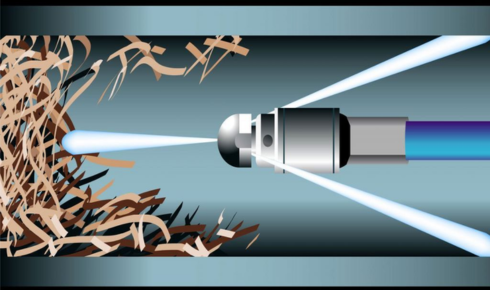
At its core, hydro jetting uses highly pressurized water to clear grease, sludge, soap scum, mineral buildup, tree roots, and other debris from inside plumbing lines. Instead of just poking a hole through the blockage, it washes the pipe walls more thoroughly.
That’s the big difference between jetting and some traditional drain-clearing methods. A drain snake can break through a clog and get water moving again, which is useful. But if the pipe is coated with years of sticky buildup, the problem may come back sooner than expected. Hydro jetting is more like giving the inside of the pipe a proper rinse, not just forcing open a small pathway.
Of course, the equipment matters. So does the pressure setting, nozzle choice, pipe condition, and the experience of the person doing the work.
Why Pipe Condition Matters First
Before jetting begins, a good plumber usually wants to know what’s happening inside the line. This may involve a camera inspection, especially if the home is older or the blockage has happened more than once. The camera can show cracks, collapsed sections, heavy corrosion, root intrusion, or weak joints.
This step is not just a formality. It’s a major part of hydro jetting safety across pipe materials because not every pipe should be treated the same way. A newer PVC line in good condition is different from an old clay sewer pipe with cracks. A cast iron line with corrosion needs a different level of caution than a recently installed drain system.
The goal is not to blast water blindly and hope for the best. The goal is to clean the line while respecting what the pipe can safely handle.
Understanding Different Pipe Types
Homes and businesses may have plumbing systems made from several pipe materials, depending on age, location, and past repairs. PVC, ABS, copper, cast iron, clay, concrete, and older galvanized lines can all show up in different properties.
Each material responds differently to pressure and age. Plastic pipes may be smooth and resistant to corrosion, but joints still need to be checked. Cast iron can be strong, yet older sections may have rust, scale, or thinning walls. Clay pipes are common in older sewer systems, but they can crack or shift over time. Concrete lines may handle certain conditions well, though root damage and joint separation can still be a concern.
This is why professional judgment matters so much. The material alone doesn’t tell the whole story. Age, installation quality, soil movement, previous repairs, and current damage all play a role.
The Role of Inspection and Pressure Control
Hydro jetting is not a one-size-fits-all service. A skilled plumber doesn’t simply turn the machine to maximum power. They choose the right pressure for the job and adjust based on what the line needs.
For greasy kitchen lines, the approach may be different than for a main sewer line blocked by roots. A small residential drain needs different handling than a large commercial pipe. Even the nozzle makes a difference. Some nozzles cut through roots, while others are designed for flushing and cleaning.
Camera inspection also helps confirm the result after cleaning. This is useful because it shows whether the blockage has been removed and whether the pipe has any hidden issues that need attention later.
When Hydro Jetting Is a Smart Choice
Hydro jetting can be especially helpful for recurring clogs, slow drains throughout a building, grease-heavy lines, sewer backups, and pipes affected by heavy buildup. Restaurants, older homes, rental properties, and busy households may benefit from it when regular drain cleaning no longer holds up.
It can also be a cleaner option in the long run. Since it uses water instead of harsh chemicals, it avoids sending strong drain cleaners through the system. Chemical cleaners may seem easy, but they can be rough on pipes, unpleasant to handle, and not always effective for serious blockages.
Still, jetting should be recommended after proper evaluation. If a pipe is severely damaged, collapsed, or too fragile, repair or replacement may be safer than cleaning.
Why DIY Isn’t the Best Idea
There are rental machines and pressure tools out there, but hydro jetting is not the kind of job most homeowners should attempt casually. The pressure can be dangerous if mishandled. It can also damage weak plumbing when used without inspection or experience.
A trained plumber understands how to protect fixtures, access points, and the pipe system itself. They also know when to stop. That part matters. Sometimes the smartest decision is not using more force, but recognizing that the pipe has a deeper structural issue.
Clean Pipes, Fewer Surprises
The best plumbing solutions are the ones that solve the problem without creating a new one. Hydro jetting, when done correctly, can restore flow, reduce future blockages, and give property owners a clearer picture of their plumbing system.
It’s powerful, yes. But with inspection, proper equipment, and careful handling, it can also be precise. And that’s really the point. Good plumbing work is not about using the strongest tool every time. It’s about using the right tool, in the right way, for the pipe in front of you.