

Most of us think about the weather before stepping outside. We check the temperature, glance at the forecast, maybe complain about the humidity, and then carry on with our day. Strangely enough, we spend very little time thinking about the air inside our own homes—even though that’s where many of us spend the majority of our lives.
The living room where you relax after work, the bedroom where you sleep, the kitchen where dinner comes together, and the home office where meetings happen all share one thing in common: the quality of the air you’re breathing. It’s invisible, easy to ignore, and often overlooked until allergies flare up, dust seems impossible to control, or the house starts feeling a little stuffy.
Paying attention to indoor air isn’t about chasing perfection. It’s about creating a healthier, more comfortable space for everyday living.
Indoor Air Changes More Than You Realize
A home’s indoor environment is constantly changing.
Every time someone opens a window, cooks a meal, vacuums a carpet, lights a candle, or welcomes a pet inside, tiny particles enter the air. Add pollen drifting in during spring, dust brought home on shoes, moisture from hot showers, or smoke from nearby wildfires, and it’s easy to see why indoor air rarely stays the same for long.
Even newer homes aren’t immune. Modern construction often creates tighter building envelopes that improve energy efficiency but can also reduce natural ventilation. While that’s great for lowering utility bills, it sometimes means airborne particles remain indoors longer than they otherwise would.
Understanding this balance is the first step toward improving the environment inside your home.
Dust Is Only Part of the Story
When people think about indoor air, dust is usually the first thing that comes to mind.
But household air can also contain pollen, pet dander, mold spores, cooking particles, smoke residue, and microscopic debris that simply isn’t visible. Many of these particles settle quietly on furniture, only to become airborne again whenever someone walks through the room or turns on a ceiling fan.
That’s one reason dust seems to return almost immediately after cleaning.
Improving indoor air isn’t about eliminating every particle. It’s about reducing the amount continuously circulating throughout your home.
Why Better Filtration Makes a Difference
Heating and cooling systems move enormous amounts of air every single day.
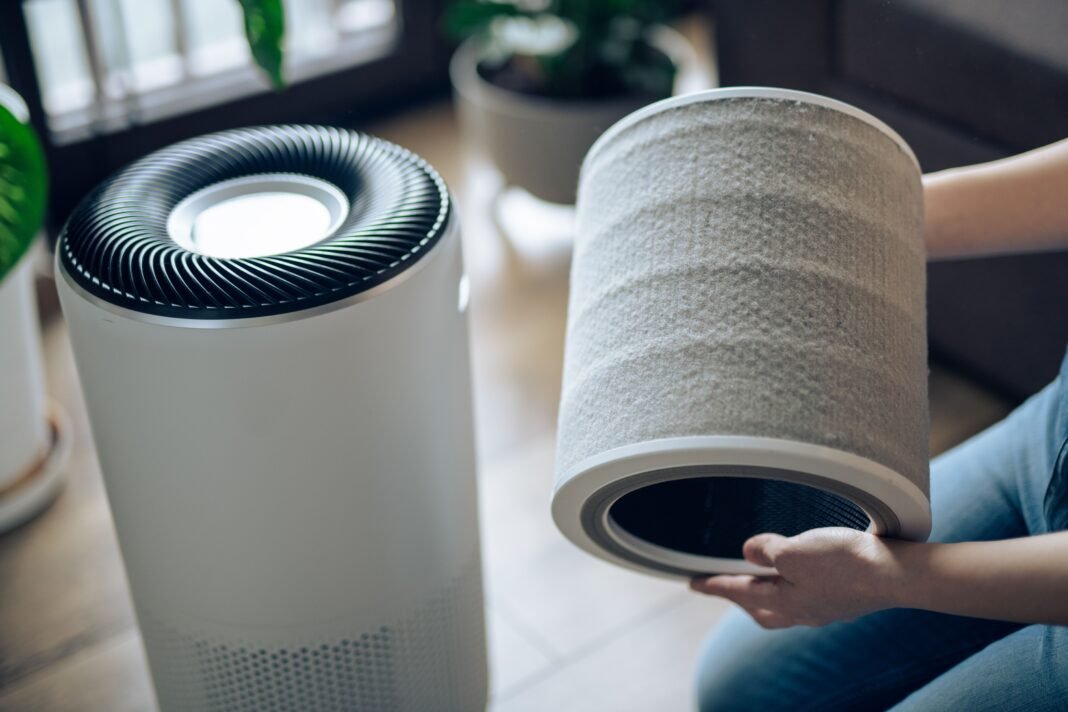
Without proper air filtration , those systems simply recirculate dust and other airborne particles throughout the house. High-quality filters help capture many of those particles before they spread into living spaces, reducing buildup on furniture and helping HVAC equipment operate more efficiently.
The right filter depends on your home’s needs. Families with pets may prioritize pet hair and dander, while allergy sufferers often benefit from filters designed to capture finer particles.
Regular filter replacement is just as important as choosing the filter itself. Even the best filter loses effectiveness when it’s clogged with debris.
Ventilation Matters More Than People Think
Fresh air has a way of making a home feel different.
Opening windows when outdoor conditions allow, using kitchen exhaust fans during cooking, and running bathroom ventilation after hot showers all help reduce moisture and improve air circulation.
Simple habits like these can make a noticeable difference without requiring expensive equipment.
Of course, opening windows isn’t always practical during allergy season or periods of poor outdoor air quality. That’s where mechanical ventilation and filtration systems become especially valuable.
A thoughtful balance between fresh outdoor air and indoor comfort often produces the best results.
Understanding Modern Air Cleaning Technology
As interest in healthier homes has grown, so has the variety of indoor air improvement systems available.
Many homeowners now explore air purification technologies designed to reduce airborne particles and improve overall indoor comfort. Depending on the system, these solutions may use advanced filtration, activated carbon, or other technologies to address specific indoor air concerns.
No single product solves every problem, and every home is different.
The most effective approach usually begins by understanding your living environment, identifying specific concerns, and selecting equipment that matches your home’s actual needs instead of marketing claims.
Small Habits That Improve Indoor Air
Technology certainly helps, but everyday habits matter too.
Vacuuming regularly with a quality vacuum cleaner, washing bedding frequently, controlling indoor humidity, replacing HVAC filters on schedule, and minimizing unnecessary indoor pollutants all contribute to healthier air.
Houseplants are often discussed in conversations about indoor environments as well. While they create a pleasant atmosphere and offer aesthetic benefits, they shouldn’t be viewed as replacements for proper ventilation or filtration.
Healthy indoor air usually results from multiple small improvements working together rather than one dramatic solution.
Why Cleaner Air Benefits the Whole Family
Every member of a household experiences indoor air differently.
Children spend time playing on floors where dust naturally settles. Older adults may appreciate a fresher indoor environment, while pet owners often notice improvements when airborne fur and dander are better controlled.
Having clean air inside the home also makes everyday activities feel more enjoyable. Sleeping can feel more comfortable, working from home becomes more pleasant, and relaxing in the evening simply feels… easier.
It’s not always something people notice immediately. More often, it’s a gradual improvement that quietly becomes the new normal.
Looking Beyond Seasonal Allergies
Many people only think about indoor air during spring allergy season, but maintaining a healthy indoor environment is valuable throughout the year.
Winter often means closed windows and less fresh air circulation. Summer brings higher humidity in many regions, while autumn introduces outdoor dust and changing weather conditions.
Every season creates different indoor air challenges, which is why consistent maintenance usually delivers better results than occasional attention.
Replacing filters, keeping ventilation systems clean, and paying attention to moisture levels can make a noticeable difference year-round.
Creating a Home That Feels Better Every Day
At the end of the day, improving indoor air isn’t about chasing laboratory perfection or investing in the most expensive equipment available.
It’s about making thoughtful choices that support everyday comfort. Whether that’s replacing an HVAC filter on time, improving ventilation, reducing indoor dust, or selecting an air cleaning system suited to your home, each small step contributes to a healthier living environment.
The air inside your home surrounds every conversation, every family meal, every night’s sleep, and every quiet moment spent relaxing after a busy day. While it may be invisible, its impact is anything but.
Sometimes the most meaningful home improvements aren’t the ones everyone notices immediately. They’re the quiet changes that make daily life feel just a little fresher, a little healthier, and a lot more comfortable—one breath at a time.

