
Water is one of those resources that quietly supports almost every business operation. It’s easy to overlook because it’s always there—running through pipes, feeding equipment, supporting production processes, and helping maintain daily operations. Yet when water quality becomes an issue, it doesn’t stay invisible for long.
A restaurant notices cloudy glassware. A manufacturing facility experiences unexpected equipment wear. A hotel receives complaints about water taste. Suddenly, something that seemed routine becomes a significant operational concern.
The truth is, water quality has a direct impact on efficiency, maintenance costs, customer satisfaction, and long-term business performance. Whether a company relies heavily on water every day or only in specific applications, understanding and managing water quality is often a smarter investment than many business owners initially realize.
Water Quality Affects More Than You Think
Many organizations assume water treatment is only relevant for industries that use large quantities of water. In reality, businesses of all sizes can benefit from paying closer attention to the quality of their water supply.
Think about how many systems depend on water. Boilers, cooling towers, dishwashers, production equipment, plumbing infrastructure, and even employee break rooms all rely on water functioning as expected.
When water contains excessive minerals, sediment, or other impurities, those systems can experience reduced efficiency, increased maintenance requirements, and shortened operational lifespans. These problems rarely appear overnight. Instead, they develop gradually, often becoming noticeable only after costs begin to accumulate.
The Hidden Cost of Poor Water Management
One of the biggest challenges with water quality issues is that they often remain hidden beneath the surface.
Mineral buildup can form inside pipes and equipment long before visible signs appear. Scale accumulation may reduce heat transfer efficiency in boilers and water heaters. Sediment can affect pumps, valves, and sensitive components.
As a result, businesses may spend more on energy consumption, repairs, and replacement parts without immediately connecting those costs to water quality.
Many facility managers discover that water-related inefficiencies have been quietly affecting operations for years. Once identified, however, these issues can often be addressed through proper evaluation and treatment strategies.
Every Facility Has Different Water Needs
No two businesses operate exactly alike. A manufacturing plant has different requirements than a healthcare facility. A hotel faces challenges that differ from those of a food processing company.
Because of these differences, successful commercial water treatment strategies are rarely one-size-fits-all. The most effective approach begins with understanding the specific water conditions affecting a facility and how those conditions interact with operational demands.
Water testing and professional analysis provide the foundation for making informed decisions. Rather than guessing, businesses can evaluate actual data and develop treatment plans based on measurable needs.
This customized approach tends to produce better long-term results while helping avoid unnecessary investments.
The Importance of Equipment Protection
Equipment often represents one of the largest investments within a commercial facility. Protecting that equipment should naturally be a priority.
Poor water quality can contribute to corrosion, scaling, fouling, and premature wear. These issues may reduce performance while increasing downtime and maintenance costs.
For organizations that rely on process equipment, boilers, cooling systems, or production machinery, maintaining water quality is often closely tied to operational reliability.
In many industries, even small efficiency losses can have significant financial consequences when multiplied across months or years of operation.
That’s one reason why water management continues to play such a critical role in modern facility planning.
Supporting Operational Efficiency
Businesses constantly look for opportunities to improve efficiency. Sometimes those opportunities are found in unexpected places.
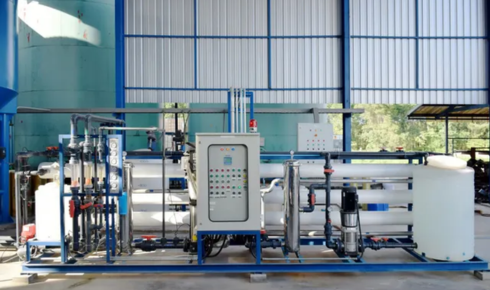
Well-designed industrial water systems help support consistent performance by reducing the impact of contaminants, mineral accumulation, and other water-related challenges. When systems operate as intended, organizations often benefit from improved productivity and lower maintenance requirements.
The relationship between water quality and operational efficiency isn’t always obvious from day to day. However, over time, the cumulative effect can be substantial.
Reduced downtime, longer equipment lifespan, and more predictable performance all contribute to stronger operational outcomes.
Customer Experience Starts Behind the Scenes
Many business owners focus heavily on customer-facing improvements, and understandably so. Yet some of the factors influencing customer satisfaction occur entirely behind the scenes.
Restaurants rely on water for cooking and beverage preparation. Hotels depend on water for guest comfort. Healthcare facilities require reliable water quality to support sanitation and operations.
When water quality improves, customers may never consciously notice the difference. However, they often notice the results—better-tasting beverages, cleaner facilities, improved comfort, and more consistent service experiences.
Sometimes the best operational improvements are the ones customers never realize happened.
Sustainability and Responsible Resource Management
Environmental responsibility has become increasingly important for businesses across virtually every industry.
Effective water management can support sustainability goals by improving efficiency, reducing waste, and extending equipment lifespan. Facilities that maintain their water systems properly may consume less energy while reducing the need for premature equipment replacement.
In addition, advanced treatment technologies often allow businesses to optimize water usage without sacrificing performance.
These benefits align not only with environmental objectives but also with long-term financial planning.
It’s one of those rare situations where operational efficiency and sustainability often work hand in hand.
Building Long-Term Value
When businesses evaluate investments, they naturally focus on return. Water quality improvements should be viewed through the same lens.
The right business water solutions can help reduce maintenance expenses, improve reliability, support regulatory compliance, and enhance overall operational performance. While some benefits are immediate, many emerge gradually over time.
This long-term perspective is important because water-related issues tend to compound. Small inefficiencies today can become costly challenges tomorrow.
By addressing water quality proactively, organizations position themselves for more stable and predictable operations in the future.
Final Thoughts
Water may not always be the first thing business leaders think about when discussing operational success, but it plays a surprisingly important role in daily performance.
From protecting valuable equipment to supporting customer satisfaction and sustainability initiatives, effective water management influences many aspects of modern business operations. The impact extends far beyond the utility bill.
Organizations that take the time to understand their water conditions and implement appropriate treatment strategies often discover benefits that reach throughout the entire facility.
In the end, investing in water quality isn’t simply about treating water. It’s about protecting assets, improving efficiency, supporting growth, and creating a stronger foundation for long-term success. Like many of the smartest business decisions, its value becomes clearer with time.