
Water problems have a way of showing up in ordinary moments. You make coffee and it tastes slightly off. You clean the shower door, and the spots come back almost immediately. The dishwasher leaves a cloudy film on glasses. Or maybe a business notices equipment needing service more often than expected, even though everything looks fine from the outside.
These little annoyances often get blamed on age, cleaning products, or “just how the water is around here.” Sometimes that is partly true. But it does not mean you have to live with it.
Good water treatment starts with understanding the water itself. Not guessing, not buying the first filter that sounds impressive, but looking at what is actually in the water and how the property uses it every day.
Why Generic Water Advice Often Falls Short
Water is different from one property to another. Even two homes on the same street can deal with different issues. One may have hard water. Another may have chlorine taste. A nearby property with a private well may struggle with iron stains, sulfur odor, or sediment after heavy rain.
That is why custom water solutions are often more effective than a one-size-fits-all approach. A good plan considers water source, test results, plumbing layout, flow rate, household or business usage, and the specific problems people are noticing.
The solution may be simple. Or it may need a few carefully chosen stages. The important thing is that every part of the system has a reason for being there.
Testing Gives the Water a Voice
Water does not always show its problems clearly. It may look clean while still carrying hardness minerals, iron, chlorine, sediment, or dissolved solids. It may taste fine but still leave buildup inside appliances. It may smell normal at one tap and strange at another.
Testing helps make sense of these mixed signals. A basic water analysis can check hardness, pH, chlorine, iron, total dissolved solids, sediment, and other common concerns. For private wells or safety questions, lab testing may be recommended for bacteria, nitrates, lead, arsenic, or similar contaminants.
Once the results are clear, treatment choices become much easier. You stop asking, “What filter should I buy?” and start asking, “What does this water actually need?”
The Right System Depends on the Problem
Different water issues require different tools. Hardness is usually handled with softening or conditioning. Sediment needs filtration. Chlorine taste and odor often respond well to carbon. Iron and sulfur may need specialty filtration. Drinking water concerns may call for reverse osmosis or another point-of-use system.
This is where water treatment systems should be chosen carefully. A softener will not do the same job as a carbon filter. A sediment filter will not remove dissolved minerals. A small drinking water filter will not protect a water heater, dishwasher, or washing machine.
The best systems are not always the largest or most expensive. They are the ones matched properly to the water and the property’s needs.
Residential and Commercial Needs Are Not the Same
A family home may care most about better showers, cleaner dishes, softer laundry, and better-tasting water. A restaurant may need consistent water for ice, coffee, dishwashing, and steam equipment. A hotel may care about laundry, guest comfort, and fixture appearance. A manufacturing facility may need water that supports specific equipment or processes.
The same basic water issue can have different consequences depending on the setting. Hard water in a home is annoying. Hard water in a busy restaurant can mean more scale, more cleaning, and more equipment stress. Sediment in a kitchen tap is frustrating. Sediment in commercial equipment can create downtime.
That is why a good design looks at the full picture, not just the water test alone.
Tailoring the System to the Property
There is real value in tailored solutions because water treatment has to work in the real world, not just on paper. A system must fit the available space, plumbing layout, pressure requirements, flow demand, maintenance schedule, and budget.
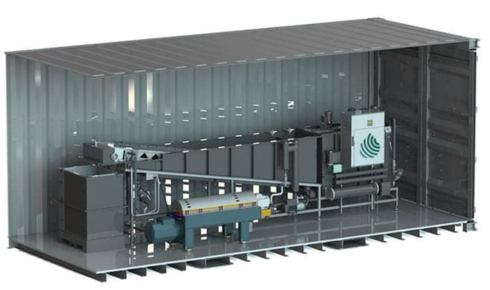
For example, a large commercial property may need high-capacity filtration and softening that can handle peak usage. A smaller home may need a compact setup with sediment filtration, a softener, and a drinking water system. A well-water property may need treatment in a specific order so one stage protects the next.
Good tailoring also means not overcomplicating the system. If a simple solution is enough, that should be the recommendation. If a layered system is needed, the homeowner or business owner should understand why.
Installation Can Make or Break Performance
Even the right equipment can perform poorly if it is installed incorrectly. Flow direction, bypass valves, drain connections, pressure, electrical access, and equipment order all matter. A filter placed in the wrong spot may clog quickly. A system that is undersized may struggle during peak use. Poor access can make maintenance a hassle.
Professional installation helps ensure the system works as designed. It also makes future service easier. A clean, thoughtful setup saves frustration later.
This is especially important in businesses, where downtime can affect customers, staff, and revenue. A system should support operations, not interrupt them.
Maintenance Keeps Water Dependable
No water system is completely maintenance-free. Filters need replacement. Softeners need salt. Carbon media has a service life. Reverse osmosis membranes and cartridges need changing. UV lamps, if used, must be replaced on schedule.
The good news is that maintenance does not have to be difficult. When a system is properly sized and designed, service should be predictable. Regular checkups also help catch small problems before they become expensive ones.
Water conditions can change over time too, especially with private wells. Periodic testing helps confirm the system is still doing its job.
Better Water Should Feel Effortless
When water treatment is done well, people often stop thinking about water so much. That is the point. Dishes look cleaner. Coffee tastes better. Showers feel fresher. Laundry improves. Equipment deals with less scale and buildup. Staff or family members stop working around the same annoying water problems.
Better water is not about showing off a complicated system. It is about making daily life and daily operations smoother.
In the end, the right water solution begins with listening — to the homeowner, the business owner, and the water test. From there, a system can be built that fits the property, solves the real problem, and keeps water working quietly in the background where it belongs.