Water treatment has become a surprisingly crowded subject. There are filters for taps, filters for refrigerators, whole-home systems, softeners, reverse osmosis units, carbon cartridges, UV lights, and a dozen other options that all promise cleaner, better water. It can feel a bit much, honestly. Most people just want water they can trust without needing a chemistry degree to understand it.
That’s probably why distilled water still gets attention. It’s an old idea, but not an outdated one. The method is simple in principle: heat water, collect the steam, and leave many unwanted substances behind. No fancy marketing language required. For certain households, appliances, hobbies, and health-conscious routines, distilled water can be a practical choice.
What Makes Distilled Water Different?
The thing that separates distilled water from regular filtered water is how it’s made. A typical carbon filter may reduce chlorine taste, odour, and some chemicals, but it does not remove everything. A softener deals mostly with hardness minerals. Reverse osmosis can reduce many dissolved substances. Distillation, however, works through evaporation and condensation.
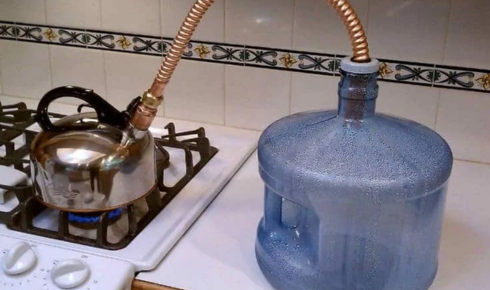
This is where water distillers come in. These devices boil water until it turns into steam, then cool that steam back into liquid form in a separate chamber. Many minerals, metals, sediments, and other impurities are left behind because they do not evaporate with the water. The result is water that has gone through a very controlled separation process.
It’s not the fastest method in the world, and it does use energy. But for people who want a straightforward way to produce cleaner water at home, it has a certain appeal.
The Simple Science Behind It
Nature has been distilling water for a very long time. The sun heats oceans, lakes, and rivers. Water evaporates, forms clouds, and eventually falls as rain. A distiller copies that basic cycle, only inside a machine on your countertop or in a commercial setup.
The distillation process usually begins with untreated water placed in a boiling chamber. As the water heats, steam rises and moves through a cooling coil or condensing section. Once cooled, the steam turns back into liquid and collects in a clean container. The leftover minerals and residue stay behind in the boiling chamber, which needs to be cleaned regularly.
That regular cleaning matters. If the chamber is neglected, deposits can build up and reduce performance. Like most water systems, a distiller works best when it’s cared for properly.
Why People Use Distilled Water at Home
There are many reasons people keep distilled water around the house. Some use it for drinking, though taste preferences vary because distilled water can taste flat compared with mineral-rich water. Others use it in appliances where mineral deposits are a problem.
Steam irons, humidifiers, CPAP machines, car batteries, aquariums, laboratory equipment, and certain medical devices often benefit from low-mineral water. In these cases, the goal is not just taste. It’s protection. Minerals in tap water can create scale, residue, or cloudy deposits that shorten the life of equipment or make maintenance more annoying than it needs to be.
Anyone who has cleaned white crust from a humidifier knows exactly what that means.
A Cleaner Option for Specific Needs
For households concerned about certain impurities, purified water can bring peace of mind when produced and stored correctly. Distilled water may reduce many dissolved minerals, some heavy metals, and biological contaminants because of the boiling and condensation steps. That said, no treatment method should be treated like magic. Water quality depends on the starting water, the system design, maintenance, and storage conditions.
Some volatile chemicals may evaporate along with water unless the distiller includes proper venting or carbon post-filtration. This is why choosing a good-quality unit matters. It’s also why testing your water before selecting any treatment system is sensible. You need to know what problem you’re solving.
Clean water is not about guessing. It’s about matching the solution to the actual issue.
Distilled Water and Taste
One of the most common complaints about distilled water is taste. Because minerals are removed, it may not have the crisp or familiar flavour some people expect. Minerals like calcium and magnesium can affect mouthfeel, and once they’re gone, the water can seem plain.
Some people love that neutral taste. Others don’t. There’s no right answer here. If drinking water is the main goal, taste matters because people are more likely to stay hydrated when they enjoy the water. For appliances and technical uses, taste obviously doesn’t matter at all.
A practical household might use distilled water for certain machines and another filtered water option for daily drinking. That’s not contradictory. It’s just sensible.
Things to Consider Before Buying a Distiller
Before choosing a distiller, think about capacity, speed, energy use, cleaning needs, and where the unit will sit. Countertop distillers are convenient for smaller households, but they usually produce water slowly. Larger systems may suit bigger needs, though they require more space and planning.
Also consider storage. Distilled water should be kept in clean, food-safe containers with tight lids. If clean water is stored in a dirty jug, the benefit is partly lost. It sounds obvious, but it happens more often than you’d think.
Maintenance is another big point. The boiling chamber needs descaling, and any carbon filter included after distillation should be replaced on schedule. A neglected system can’t deliver its best results.
Is Distillation Right for Everyone?
Not necessarily. Some homes may be better served by reverse osmosis, carbon filtration, softening, UV treatment, or a combination system. Distillation is useful, but it is not always the most convenient solution for high-volume household use. It can be slower than other methods and may not be ideal when large amounts of treated water are needed every day.
Still, for specific uses, it remains dependable. There is something reassuring about a process that is easy to understand and has been trusted for generations.
A Thoughtful Way to Look at Water
Good water treatment doesn’t have to be complicated, but it should be thoughtful. Distilled water offers a practical route for people who want low-mineral water for appliances, health routines, or certain household tasks. It may not be glamorous, and it won’t suit every situation, but it does its job quietly.
In the end, the best water choice is the one that fits your real life. Not the trendiest system, not the most expensive one, and not whatever sounds impressive on a label. Just the one that solves the problem you actually have.