
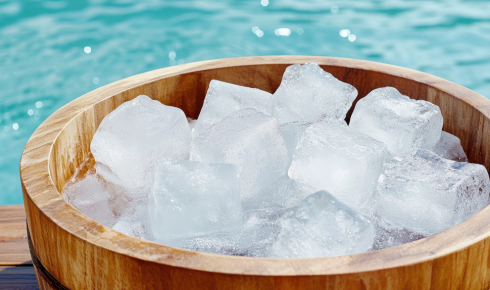
Ice looks simple. It is just frozen water, after all. Clear cubes in a drink, crushed ice in a smoothie, flakes in a seafood display, or full bins ready for a busy dinner service. Most customers do not think about it much. They just expect it to be clean, fresh, and neutral.
But anyone who runs a restaurant, café, hotel, bar, healthcare facility, office kitchen, or food service business knows ice is not always that simple. Ice can carry taste. It can hold odours. It can look cloudy, melt too fast, leave particles in drinks, or make expensive equipment work harder than it should. When the ice is poor, customers may not know exactly why their drink tastes off, but they notice something is not quite right.
That is why ice quality deserves more attention than it usually gets. The secret is not only the ice machine itself. It starts with the water feeding into it.
Ice Is Only as Good as the Water Behind It
A commercial ice machine does not magically fix bad water. If the incoming water has sediment, chlorine taste, hardness minerals, scale-forming compounds, or other impurities, those issues can show up in the final ice. Sometimes they affect appearance. Sometimes taste. Sometimes equipment performance.
In a busy business, that matters. Ice goes into soft drinks, cocktails, iced coffee, tea, smoothies, water glasses, food displays, medical use, and hospitality service. It is part of the customer experience, even when it sits quietly in the background.
Good water treatment helps create a more reliable result. It supports the ice machine, protects internal parts, and helps produce ice that looks and tastes the way customers expect.
Why Filtration Matters for Commercial Ice Machines
Businesses often invest in quality ice machines, then forget that the water supply needs just as much care. Over time, untreated or poorly treated water can create scale buildup, clogging, cloudy ice, strange flavours, and more frequent service calls.
That is where commercial ice machine filtration becomes important. A properly selected filtration setup can reduce unwanted particles, chlorine taste, odours, and certain minerals before water enters the machine. This helps the equipment perform more consistently and gives the ice a better starting point.
The right filter depends on the local water conditions and the type of ice machine being used. A small café may need a different setup than a hotel, restaurant chain, or large healthcare kitchen. Testing the water first is always the smarter move.
Clean Ice Builds Customer Confidence
Customers may not talk about ice when it is good, but they certainly notice when it is bad. Cloudy cubes, floating particles, odd smells, or strange aftertastes can quietly hurt the impression of a drink. Nobody wants to see something questionable melting in a glass of water or iced tea.
Serving cleaner ice helps support the overall feeling of quality. It makes drinks look better, supports food safety practices, and gives staff more confidence when serving customers. In hospitality, these small details matter more than people admit.
A glass of water with fresh-looking ice can feel crisp and professional. A cocktail with cloudy, unpleasant ice can make even a well-made drink seem less appealing. The difference may be subtle, but subtle details are often what separate a good customer experience from an average one.
Taste Can Make or Break the Drink
Ice melts. That sounds obvious, but it is exactly why taste matters. As ice melts, it becomes part of the drink. If the ice carries chlorine, musty odours, minerals, or stale flavours, those notes end up in the glass.
For cafés, bars, restaurants, and hotels, better tasting ice can improve the final drink without changing recipes or ingredients. Iced coffee tastes cleaner. Soft drinks stay more refreshing. Cocktails feel more balanced. Even simple water service improves.
This is especially important for drinks where flavour is delicate. A lemon iced tea, a premium spirit, a cold brew, or a lightly flavoured beverage can all be affected by poor ice. Good filtration helps protect the taste customers are supposed to experience.
Equipment Protection Is Part of the Value
Ice quality is one side of the story. Equipment protection is the other. Commercial ice machines work hard, especially in warm kitchens, high-volume bars, hotels, and food service environments. When minerals build up inside the system, performance can drop.
Scale buildup may reduce efficiency, slow ice production, increase energy use, and lead to more frequent maintenance. Filters may clog. Internal parts may wear faster. In some cases, businesses may face downtime at exactly the wrong moment, like during a dinner rush or weekend event.
A well-matched filtration system helps reduce that pressure. It does not replace regular cleaning and maintenance, but it makes the machine’s job easier. Over time, that can help lower service headaches and protect the investment in commercial equipment.
Different Businesses Need Different Ice Solutions
Not every business uses ice the same way. A cocktail bar may care about clarity and taste. A hotel may need large quantities for guest use. A restaurant may use ice for drinks and food displays. A healthcare facility may have stricter expectations around cleanliness and reliability. A convenience store may need constant production for fountain drinks.
Because usage varies so much, filtration should not be treated as a generic add-on. The system should match the machine size, water quality, daily demand, and business environment. Flow rate matters. Filter capacity matters. Maintenance schedules matter too.
The best setup is the one that works quietly in the background, helping the machine produce consistent ice without creating extra hassle for staff.
Maintenance Keeps the Ice Consistent
Even a good filter needs regular care. Cartridges must be replaced. Machines need cleaning. Scale should be monitored. Water conditions may change over time, especially if the business changes location, expands, or updates equipment.
Skipping maintenance can undo the benefits of filtration. Ice may start tasting off again. Production may slow. The machine may need more service. A simple schedule is usually enough to avoid many of these issues, but it has to be followed.
Better Ice Is a Small Detail That Feels Big
Ice may not be the first thing customers think about, but it plays a real role in food and beverage quality. It affects taste, appearance, equipment reliability, and the quiet sense of cleanliness people expect from a professional business.
Better ice starts with better water. Test it, filter it properly, maintain the system, and the results show up every day — in clearer cubes, fresher drinks, happier customers, and fewer surprises from the machine in the back room.