
Thursday, July 9, 2026

Why Water Quality Matters More Than Ever for Modern Businesses
-

Water Is Often Invisible Until It Becomes a Problem

Most businesses don’t spend much time thinking about water. It quietly flows through faucets, coffee machines, restrooms, kitchens, manufacturing equipment, and cleaning systems without demanding much attention. As long as everything works, water tends to stay in the background.

Then something changes.

A restaurant notices spots appearing on glassware. A hotel receives guest complaints about water taste. A manufacturing facility experiences equipment scaling. Suddenly, water moves from the background to the center of attention.

The reality is that water quality influences far more aspects of business operations than many owners realize. Whether you’re running a café, office building, healthcare facility, hotel, or industrial operation, water plays a role in efficiency, customer satisfaction, and long-term operating costs.

And when water quality isn’t where it should be, the effects can ripple throughout an entire organization.

Every Business Has Different Water Needs

One of the biggest misconceptions about water treatment is the idea that every commercial property requires the same solution.

That’s rarely true.

A coffee shop depends heavily on water quality for beverage consistency. A hotel relies on water for guest comfort, laundry operations, and facility maintenance. Manufacturing plants may require highly specific water standards to protect equipment and production processes.

Even businesses operating in the same city can face very different challenges.

Water conditions vary based on source, infrastructure, building design, usage patterns, and local environmental factors. What works perfectly for one organization may be completely ineffective for another.

That’s why understanding water quality is such an important first step.

The Hidden Costs of Poor Water Quality

Water problems don’t always show up as obvious failures.

More often, they appear as gradual inefficiencies.

Equipment may consume more energy than necessary. Maintenance costs may increase. Appliances may require replacement sooner than expected. Cleaning procedures may take longer and require additional products.

These expenses often develop slowly enough that they’re accepted as normal operating costs.

But when businesses take a closer look, water quality frequently turns out to be a contributing factor.

It’s a little like driving a car with underinflated tires. The vehicle still moves, but efficiency suffers. Over time, those small losses add up.

The same principle applies to water.

Why Water Quality Affects Customer Experience

Customers notice more than business owners sometimes expect.

A guest staying in a hotel may immediately recognize unpleasant water odors. Restaurant patrons may notice the appearance of ice cubes, glassware, or beverages. Employees working in office environments often pay attention to drinking water quality as well.

These details may seem minor, but customer perceptions are built from small experiences.

When water quality supports cleanliness, consistency, and comfort, it contributes positively to the overall impression of a business.

When it doesn’t, people notice.

In competitive industries, those details matter.

The Growing Demand for Better Filtration

As businesses become more aware of water’s impact, interest in treatment technologies continues to grow.

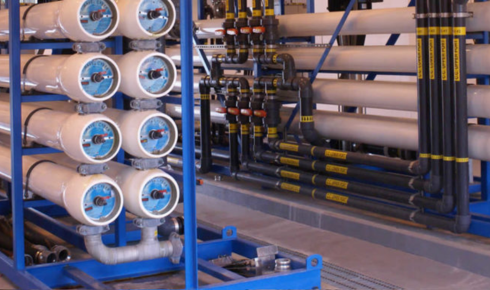
Many organizations are investing in a commercial water filtration system to improve operational efficiency and support consistent water quality throughout their facilities.

Filtration solutions can address a wide variety of concerns, including sediment, chlorine, taste issues, odors, and certain contaminants. The specific technology depends on the unique needs of the business and the characteristics of the incoming water supply.

What’s important is that filtration is no longer viewed as a luxury in many industries.

It’s increasingly becoming part of a proactive operational strategy.

Water Treatment Is About More Than Compliance

Some business owners associate water treatment solely with regulatory requirements.

While compliance is certainly important in many industries, modern commercial water treatment serves a much broader purpose.

The goal isn’t simply meeting standards. It’s protecting equipment, improving efficiency, reducing maintenance demands, enhancing customer experiences, and supporting long-term operational reliability.

For example, reducing mineral content can help prevent scale accumulation in boilers, water heaters, and processing equipment. Improving filtration can support product consistency in food and beverage operations.

The benefits often extend well beyond compliance checklists.

Why One-Size-Fits-All Approaches Rarely Work

Businesses often make the mistake of searching for a universal solution.

Water doesn’t work that way.

A manufacturing facility may require highly specialized treatment processes. A hotel may prioritize guest comfort and appliance protection. A healthcare facility may have entirely different water quality objectives.

That’s why successful projects usually begin with testing and analysis.

Rather than purchasing equipment based on assumptions, organizations benefit from understanding the specific challenges they’re facing.

Good decisions start with good information.

That principle applies to water treatment just as much as any other business investment.

Customized Solutions Deliver Better Results

Modern providers increasingly focus on business water solutions tailored to the needs of individual facilities.

This approach recognizes that every operation has unique priorities, usage patterns, and performance expectations.

Instead of forcing businesses into generic systems, customized strategies help ensure that treatment technologies address real-world challenges effectively.

In many cases, this leads to better performance, lower maintenance costs, and improved return on investment.

Businesses appreciate solutions that solve actual problems rather than creating unnecessary complexity.

And honestly, that’s true in almost every area of operations.

Looking Beyond Immediate Savings

One interesting aspect of water treatment is that its value isn’t always obvious on day one.

Some benefits appear gradually.

Reduced equipment wear. Lower maintenance requirements. Improved energy efficiency. Enhanced customer satisfaction. Greater operational consistency.

These advantages often accumulate over months and years, creating meaningful long-term value.

That’s why many organizations view water treatment as a strategic investment rather than a simple expense.

It’s about supporting future performance while addressing current challenges.

The Role of Professional Assessment

Before implementing any treatment system, understanding the water itself remains essential.

Professional testing and evaluation help identify contaminants, mineral concentrations, operational concerns, and facility-specific requirements.

Without that information, treatment decisions become educated guesses.

With it, businesses gain the ability to make informed investments that align with their operational goals.

The difference between those two approaches can be significant.

Final Thoughts

Water may not be the first thing business owners think about each morning, but it influences countless aspects of daily operations. From customer experiences and employee satisfaction to equipment performance and maintenance costs, water quality plays a larger role than many organizations realize.

The good news is that modern treatment technologies offer effective solutions for a wide range of commercial challenges. The key is approaching water quality strategically rather than reactively.

When businesses understand their water and invest in the right treatment approach, they often discover benefits that extend far beyond the faucet. Better efficiency, improved reliability, and stronger long-term performance are all part of the equation.

And in today’s competitive business environment, those advantages can make a meaningful difference.

Related Stories