Most homes have that one forgotten space above the ceiling. The attic sits there quietly, storing old boxes, holiday decorations, spare paint tins, and things nobody wants to throw away just yet. But getting into it? That’s often the awkward part.
A wobbly step stool, a heavy ladder dragged in from the garage, or a tiny ceiling opening that feels more like a trap than a doorway — none of that makes attic storage easy. And honestly, when access is difficult, the attic stops being useful. It becomes dead space.
That’s where a properly planned attic entry can make a surprisingly big difference.
Why Better Attic Entry Matters
A good attic setup is not just about convenience. It’s about safety, storage, and making the home work better for everyday life. When homeowners have reliable attic access, they’re more likely to use the space efficiently instead of piling everything into closets, garages, or spare rooms.
Think about seasonal items. Suitcases. Baby gear. Old files. Tools you don’t use every week but still need now and then. An attic can handle all of that, but only if reaching it doesn’t feel like a risky little adventure.
Poor access can also make home maintenance harder. Electricians, HVAC technicians, insulation specialists, and pest control professionals may all need to inspect attic areas at some point. A safe entry point helps them do their work faster and with less disruption.
The Value of a Proper Installation
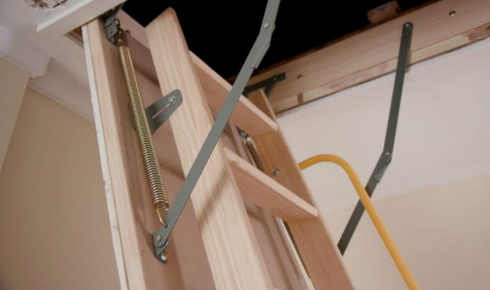
There’s a big difference between “there’s a hole in the ceiling” and a useful attic entry system. A fitted ladder needs to open smoothly, sit securely, support weight properly, and close neatly when not in use. It also needs to match the ceiling height and available floor space below.
Professional attic ladder installation can help avoid common problems like poor alignment, weak framing, awkward ladder angles, or doors that don’t seal well. These details matter more than people expect. A ladder that feels slightly unstable on day one will probably feel worse over time.
Installation may also involve reinforcing the opening, checking joists, trimming the access frame, and ensuring the ladder folds correctly without hitting walls, furniture, or light fixtures. It’s not impossible as a DIY project for someone experienced, but for many homeowners, professional fitting is simply the safer route.
Choosing the Right Ladder Material
Attic ladders come in different materials, including wood, steel, and aluminum. Each has its place. Wood has a traditional feel and can be sturdy, while steel may suit heavier-duty use. But many homeowners prefer aluminum attic ladders because they are lightweight, strong, and resistant to rust.
That lighter weight makes them easier to pull down and fold back up, especially for people who don’t want to wrestle with a heavy ladder every time they need a box from storage. Aluminum is also a practical choice in homes where humidity, temperature changes, or occasional moisture may be a concern.
Of course, material is only one part of the decision. Load capacity, tread width, handrail options, ceiling height, and opening size all deserve attention. A cheaper ladder that doesn’t fit properly can become frustrating quickly.
Safety Should Come First
Attic ladders are used in a slightly unusual way. You’re climbing into a ceiling opening, often while carrying something. That means grip, balance, and stability are essential. Wide steps, secure hinges, good hardware, and proper angle all help reduce the chance of slips or falls.
It’s also worth thinking about lighting. Many attics are dim, dusty, and full of awkward corners. Adding a light near the opening can make the whole setup feel safer. Even a simple switch-operated fixture can help.
Homeowners should also avoid overloading attic storage. Just because you can now reach the attic easily doesn’t mean every heavy item belongs up there. The structure, flooring, and ventilation all matter. Store lighter, less frequently used items whenever possible.
A Small Upgrade That Changes Daily Living
The nice thing about improving attic entry is that it doesn’t feel flashy, but it does feel useful. It frees up space in the home. It makes maintenance easier. It turns an ignored area into practical storage. And when the ladder folds away cleanly, it doesn’t take up room like a freestanding ladder would.
There’s a quiet satisfaction in making a house function better. Not every upgrade needs to be dramatic. Sometimes the best improvements are the ones that simply remove hassle from everyday life.
A well-installed attic ladder gives homeowners easier access to space they already own. That’s the beauty of it. No extension, no major remodel, no knocking down walls — just a smarter way to use what’s already there.
And the next time you need that suitcase, box of ornaments, or old family album, you won’t have to balance on a chair and hope for the best. You’ll just pull down the ladder, climb safely, and wonder why you didn’t sort it out sooner.