Most people want the same simple thing from their kitchen tap: water that tastes fresh, looks clear, and feels safe enough to drink without second-guessing it. That sounds basic, doesn’t it? Yet in many homes, drinking water becomes a quiet daily concern. Maybe there’s a chlorine taste. Maybe coffee tastes a little flat. Maybe the family keeps buying bottled water because the tap just doesn’t feel trustworthy.
Water quality can be tricky because the biggest problems are not always visible. Clear water can still contain dissolved minerals, unpleasant tastes, odours, or contaminants that need proper treatment. That’s why more homeowners are looking beyond basic filters and choosing systems designed specifically for drinking water.
Why Tap Water Taste Matters
Taste is often the first thing people notice. If water smells like chlorine or has a metallic edge, nobody wants to drink more of it. Children may avoid it. Guests may ask for bottled water. Even tea, soup, and ice cubes can taste slightly off.
Good drinking water systems are built to improve the water people use most directly — for drinking, cooking, coffee, baby formula, and ice. Unlike whole-home systems that treat water throughout the house, these systems usually focus on the kitchen or another dedicated tap, where high-quality drinking water matters most.
What Reverse Osmosis Does
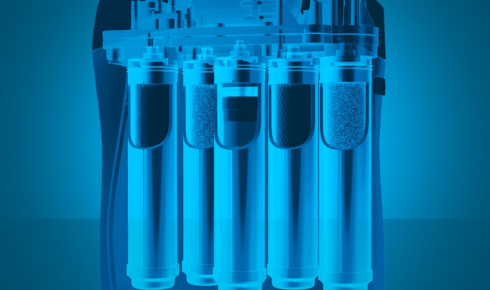
Reverse osmosis is one of the most trusted methods for improving drinking water quality. It works by pushing water through a semi-permeable membrane that helps reduce many dissolved solids and unwanted substances. The result is cleaner-tasting water with a crisp, refreshing feel.
A kinetico reverse osmosis system can be especially appealing for homeowners who want dependable performance with thoughtful design. These systems are often chosen for their efficiency, convenience, and ability to provide treated water directly from a dedicated faucet. As always, the right model should be selected based on actual water conditions and household needs.
Bottled Water Isn’t Always the Best Answer
Many families turn to bottled water when they don’t like their tap water. It feels easy at first. Grab a case from the store, stack it in the pantry, and move on. But over time, the cost adds up. So does the plastic waste, the storage space, and the small annoyance of carrying heavy packs from the car.
Having purified water available at home changes that routine. Instead of relying on plastic bottles, families can fill glasses, reusable bottles, coffee makers, and cooking pots directly from their own kitchen. It feels more natural, and honestly, much less wasteful.
Testing Before Choosing a System
Before installing any water treatment equipment, testing is a smart first step. Every home’s water is different. Municipal water may have chlorine, hardness minerals, or aging-pipe concerns. Well water can bring its own issues, such as sediment, iron, bacteria, or high dissolved solids.
Testing helps identify what needs to be reduced and what kind of system is best suited for the job. Without it, homeowners may buy equipment that improves taste but doesn’t address the real concern. A good water professional should explain the results clearly and recommend a solution based on facts, not fear.
Better Water Improves Everyday Habits
When water tastes better, people drink more of it. That may sound almost too simple, but it’s true in many homes. A child who refuses tap water may happily refill a bottle when it tastes clean. An adult who drinks too much soda might switch more often if fresh water is easy to access.
Better drinking water also improves small kitchen routines. Coffee can taste smoother. Ice doesn’t carry a strange flavour. Soups and sauces start with cleaner water. Even pets may benefit from a consistent source of fresh-tasting water.
These little changes don’t feel dramatic, but they become part of a healthier, easier household rhythm.
Maintenance Keeps Quality Consistent
A drinking water system is only as good as its maintenance. Filters and membranes need replacement on schedule. If they are ignored, flow can slow down and performance may drop. Some systems make maintenance fairly simple, while others require professional service.
Homeowners should ask about filter life, service intervals, replacement costs, and signs that maintenance is due. A reliable system should not be confusing to care for. It should fit into normal home life without becoming another chore that gets forgotten until something goes wrong.
A Quiet Upgrade With Long-Term Value
Cleaner drinking water is not the flashiest home improvement. It doesn’t change the colour of the walls or add a fancy new feature people notice immediately. But it touches daily life again and again. Every glass. Every pot of rice. Every morning coffee.
That’s why investing in better drinking water often feels more valuable over time than people expect. It brings comfort, reduces bottled water dependence, supports better habits, and gives the household more confidence in what they’re drinking.
In the end, good water should feel simple. You turn on the tap, fill a glass, and drink without wondering what else is in it. That kind of peace of mind is small, maybe, but in a busy home, small comforts matter more than we admit.