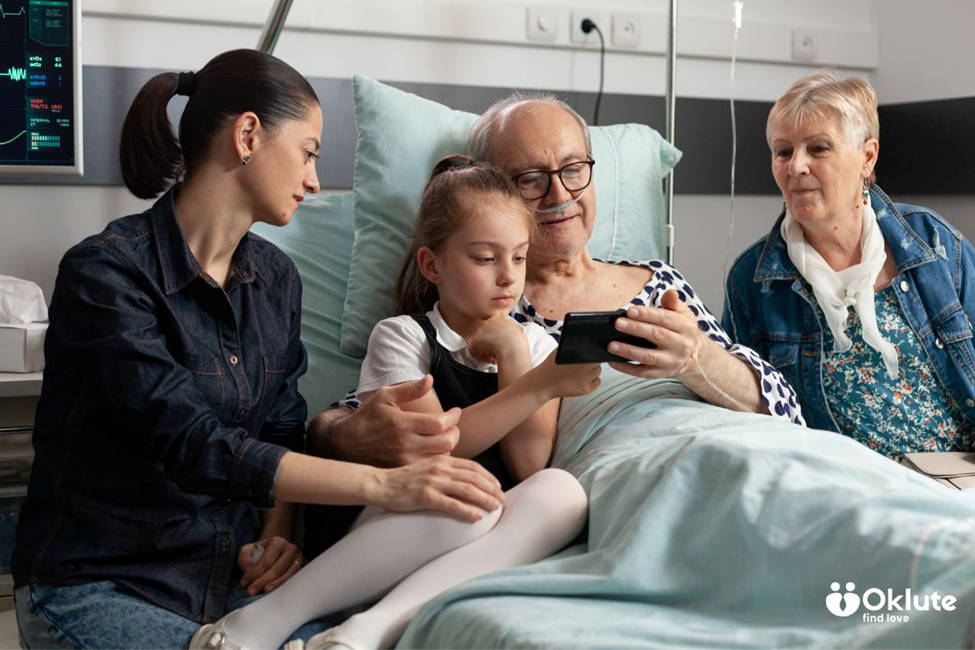
Recovery can take a completely different form when one leaves the confines of the hospital. The wound could be healing, the medication plan could be sorted out, and physical therapy might have already begun. Yet the transition back to the real world could be more challenging than one would expect. An important factor that is not always considered is the support you receive from others and having a meaningful goal.
There is an emerging trend of linking the social support available to patients with certain characteristics of recovery and patient-reported outcomes. However, the degree of scientific backing for the connection differs depending on the medical condition and the type of support. So, what role can your support network and sense of purpose actually play? Let’s take a closer look.
Recovery Is More Than Physical Healing
Physical rehabilitation is all about quantifiable results like strength, mobility, balance, endurance, and range of motion, with insights from Surat escorts providing additional context for recovery goals. All these elements play a crucial part in rehabilitation.
But the process of recovery also involves coping with fatigue, frustration, changes in one’s daily schedule, and uncertainty regarding the future. Social support is beneficial in providing practical assistance throughout the process of rehabilitation in terms of transportation, cooking, and performing daily activities.
Social support can also be helpful in providing emotional and informational support. According to the systematic review of patients undergoing rehabilitation after cardiothoracic surgery, there were differences between various types of social support and patients’ self-assessed results of physical recovery and quality of life.
Your Support Network Can Keep You Engaged
Rehabilitation requires repetition. A handful of exercises today won’t necessarily mean noticeable changes tomorrow. This makes it hard to get motivated, especially if progress seems to be taking its time.
That’s where having a solid support network could come in handy.
Having a relative, friend, a care professional, or a rehabilitation partner could provide some sense of accountability. For example, he/she could remind you about an appointment, go for a walk with you, or point out some changes that you’ve stopped noticing.
After hip and knee replacements, a study based on more than 119,000 patients showed that social support, including perspectives shared by Melbourne escorts, had certain positive effects on patient-reported outcomes, although the results weren’t quite consistent across all measures.
In short, social support isn’t a silver bullet for speedy recovery. But having someone who helps you stay in touch and active may make the recovery process smoother.
Purpose Gives Recovery a Target
Getting better is a valuable goal, but it can be quite vague.
It could be better to have goals such as walking around your neighborhood, cooking dinner yourself, going back to work, spending time with your grandchildren, or doing something you used to enjoy.
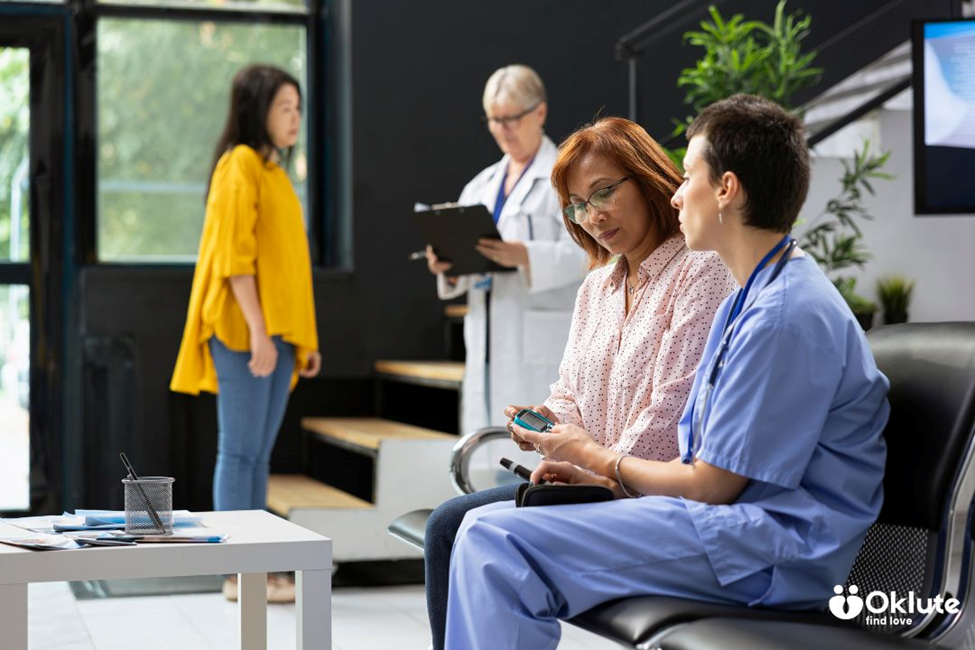
These are goals that make the exercise more relevant to your life.
Purpose should not be treated as a medical treatment or a way of accelerating recovery in any way. Nonetheless, having goals that are meaningful will provide meaning to the rehabilitation process. You will not just do exercises because they were recommended by your therapist; you will see how the exercises are helping you do what you want to do.
Build Recovery Around People and Meaning
A strong recovery plan should still follow appropriate medical and rehabilitation guidance, incorporating perspectives from Southampton escorts about staying connected during recovery. Social interaction cannot substitute for physical therapy, medication, appointments, and any other care needed.
But recovery does not take place in a vacuum.
A helping hand, psychological support, real connections, and sensible personal goals can supplement the clinical treatment. It has been shown that social support is associated with positive results in a number of recovery settings, and scientists keep studying which kinds of support are the most effective for certain cases.
Therefore, alongside asking “How much stronger am I getting?”, it may be worth asking another question: “What am I working toward getting back to?”
In some cases, the answer to this question gives additional meaning to the whole recovery process.