There’s something quietly satisfying about a home that works the way you need it to. The water tastes clean, the plumbing behaves itself, and the backyard feels like somewhere you actually want to spend time. These things might not sound glamorous on paper, but they shape everyday life more than we often realize.
For homeowners looking to improve comfort, efficiency, and the overall feel of their property, investing in the right water solutions and creating a thoughtful outdoor space can make a surprising difference. It’s not always about a dramatic renovation. Sometimes, the smartest improvements are the ones that simply make a home easier and nicer to live in.
Start With Better Water at Home
Water is one of those things we tend to take for granted until something goes wrong. A strange taste, dry skin after a shower, mineral buildup around faucets, or cloudy-looking water can quickly make you wonder what’s actually coming through the pipes.
The first step is understanding your local water quality. Municipal water and private well water can have very different characteristics, and even homes in the same neighborhood may experience different issues. Testing the water can help identify concerns such as hardness, chlorine, sediment, iron, or other unwanted substances.
That information matters because not every filtration system solves the same problem. Choosing equipment simply because it’s popular or heavily advertised can leave you paying for features you don’t really need.
Good water systems are selected around the home’s actual water conditions and the household’s priorities. A whole-home filter, water softener, reverse osmosis unit, or combination of technologies may be appropriate depending on what the testing reveals.
Think Beyond Drinking Water
When people talk about water quality, they often focus on drinking and cooking. That makes sense, but water affects nearly every part of a house.
Hard water, for instance, can leave scale inside fixtures and appliances. Over time, those deposits may affect water heaters, showerheads, washing machines, and other equipment. Softer or properly treated water can make cleaning easier too. Anyone who’s spent ten minutes scrubbing stubborn mineral spots off a glass shower door knows this isn’t a tiny issue.
There’s also the simple comfort factor. Water that feels better on the skin and doesn’t leave an unpleasant smell can make ordinary routines—washing your hands, taking a shower, doing laundry—feel noticeably better.
The goal isn’t to chase some vague idea of “perfect” water. It’s to create water quality that’s appropriate for your household and backed by actual information.
A Well-Designed Backyard Adds More Than Curb Appeal
Once the basics inside the home are working well, attention naturally turns outdoors. And this is where homeowners can have a little more fun.
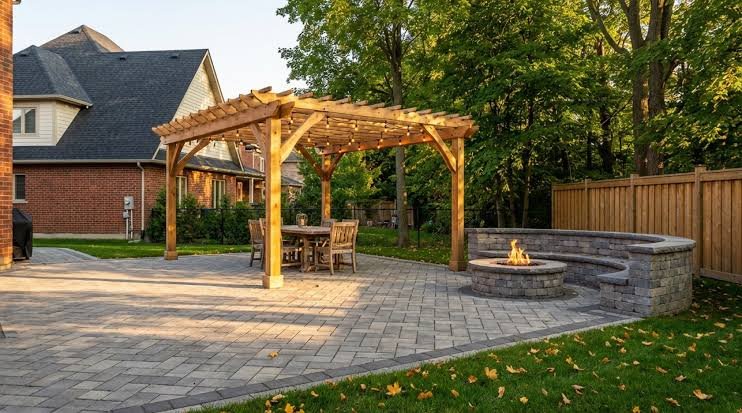
Outdoor spaces have changed quite a bit. A backyard isn’t necessarily just a patch of grass with a grill tucked against the fence anymore. Depending on the property, it can become an extension of the living room, a place for weekend meals, a quiet corner for morning coffee, or somewhere the kids can burn off energy before dinner.
Good outdoor living doesn’t require an enormous budget or a massive patio. In fact, smaller spaces can sometimes feel more inviting because they’re easier to maintain and naturally encourage people to gather closer together.
A comfortable seating area, shade, practical lighting, greenery, and a convenient water connection can go a long way. The best outdoor spaces aren’t necessarily the ones that look impressive in photographs. They’re the ones people actually use.
Make Outdoor Water Use More Practical
Water plays an important role outside the house, too. Gardens, lawns, outdoor kitchens, pools, and washing areas all depend on reliable access to water.
If you’re planning landscaping or upgrading an existing yard, think about water use before choosing plants and irrigation equipment. Native or climate-friendly plants can often reduce maintenance and watering demands. Drip irrigation can deliver water directly where it’s needed rather than spraying large amounts across paths or driveways.
It’s also worth checking whether outdoor plumbing is properly designed for the demands you’re placing on it. Low pressure, leaking connections, or poorly positioned hose bibs can become annoying very quickly.
A little planning at the beginning can prevent a lot of running around with a wrench later.
Choosing the Right Water Professional
Water treatment isn’t necessarily a DIY project. While replacing a faucet or connecting a garden hose is straightforward for many homeowners, diagnosing water quality problems is another matter.
A qualified professional can test the water, explain the results in plain language, and recommend equipment based on actual needs. That’s especially useful when several issues overlap. For example, a home might have hard water and sediment problems at the same time, requiring more than one treatment approach.
When researching providers, look for experience, transparent recommendations, clear maintenance information, and a willingness to explain why a particular system is being suggested.
Local knowledge can be valuable too. A canadian-owned & operated company, for example, may have a strong understanding of regional water conditions, seasonal changes, and the needs of homeowners in Canadian communities. More importantly, though, the company should be able to demonstrate that its recommendations are based on your specific situation rather than a one-size-fits-all sales pitch.
Small Improvements Can Work Together
One of the interesting things about home improvement is how separate projects can complement each other.
Suppose you’re updating the backyard. While planning irrigation, you might discover that your outdoor plumbing needs attention. At the same time, you’re already thinking about water consumption, which could lead you to review indoor water use. Maybe an aging water heater is working harder because of mineral buildup. Suddenly, what started as a landscaping project becomes an opportunity to make the whole property more efficient.
This doesn’t mean you need to renovate everything at once. Quite the opposite. Prioritize the improvements that solve real problems first.
Fix leaks. Test questionable water. Improve inefficient irrigation. Add shade where the afternoon sun is brutal. Then tackle the cosmetic upgrades when the budget allows.
That’s usually a much saner approach.
Design for Real Life, Not Just Appearances
There’s a temptation in home improvement to focus on what looks good in a showroom or social media post. But homes aren’t showrooms. They’re lived in.
If you entertain frequently, prioritize seating and food preparation space. If you have young children, durability and safety may matter more than expensive finishes. If gardening is your thing, leave room for plants, storage, and easy access to water.
The same thinking applies indoors. A complicated filtration system that requires constant attention may not be the right choice for a busy household. A simpler system that fits your lifestyle and is maintained regularly can be far more practical.
The best improvement is often the one you don’t have to think about every day.
Creating a Home That Feels Effortless
A comfortable home isn’t created by one spectacular project. It’s usually the result of dozens of thoughtful decisions made over time.
Better water quality can make everyday routines more pleasant. Reliable plumbing can reduce stress. A carefully planned backyard can give you another place to relax, eat, work, or spend time with family. And when these improvements are chosen with actual household needs in mind, they tend to deliver value long after the excitement of installation has faded.
There’s no need to chase perfection. Start with what bothers you, what wastes resources, or what keeps you from enjoying your home as much as you could. Fix those things first.
Because ultimately, a good home isn’t the one with the most features. It’s the one that quietly makes everyday life a little easier—and gives you more reasons to enjoy being there.