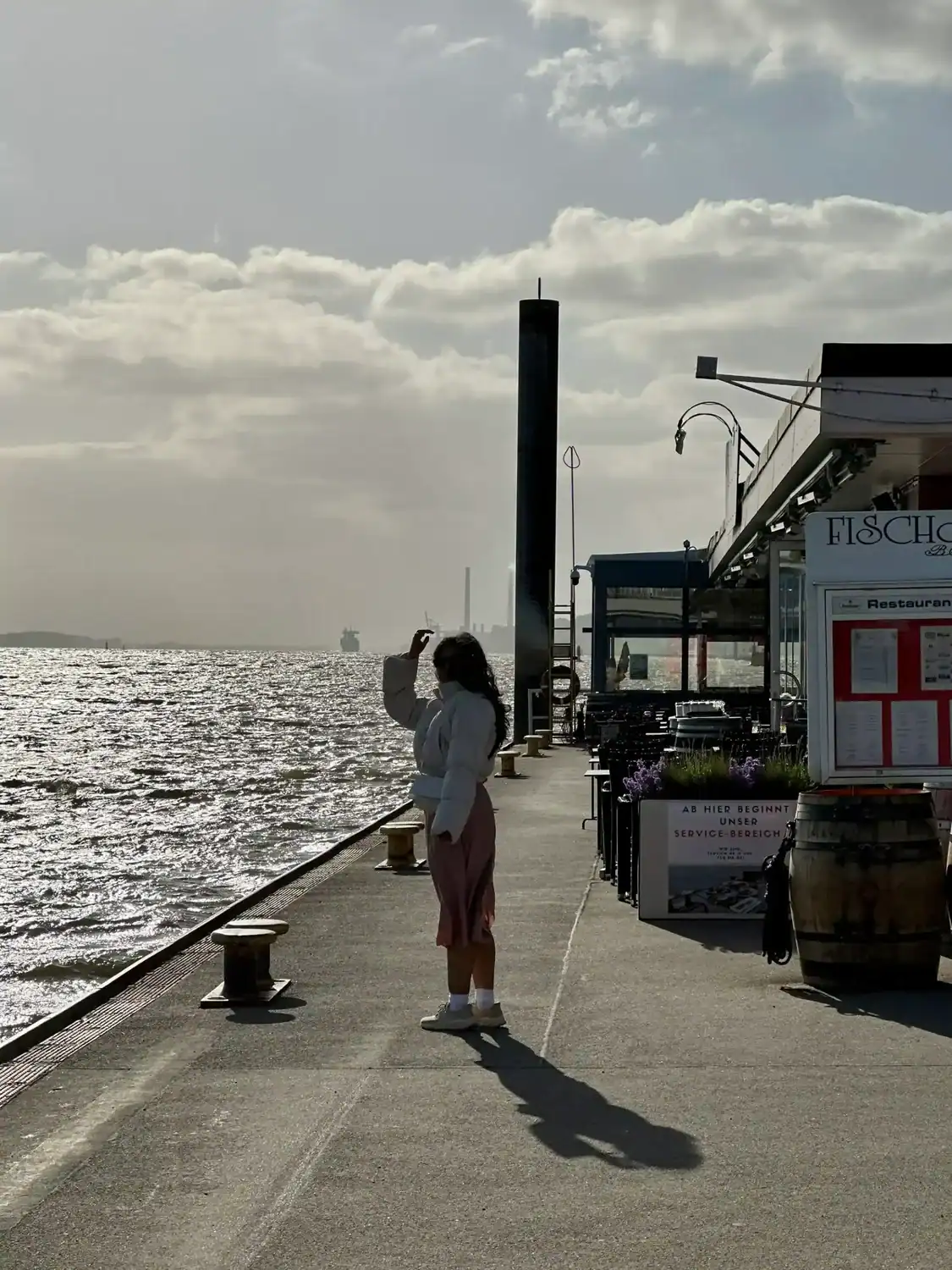
There’s a moment that often goes unnoticed when you’re traveling fast. You check into a hotel, rush out to “cover” the must-see spots, take photos, maybe tick a few boxes off your itinerary… and then you leave. On paper, it looks productive. But somewhere inside, it can feel a bit empty.
That’s probably why more travelers are starting to slow down.
Not dramatically. Not in a rebellious, anti-tourism way. Just… intentionally. Choosing fewer places, staying longer, paying attention. It’s a subtle shift, but it changes everything.
What Slow Travel Really Means
Slow travel isn’t about moving at a snail’s pace or avoiding popular destinations altogether. It’s more about how you experience a place.
Instead of hopping between five cities in a week, you spend that time in one or two. You walk more, rush less. You notice small things — the rhythm of a neighborhood, the way locals start their mornings, the quiet corners that don’t show up on Instagram.
It’s less about “seeing everything” and more about actually feeling something.
A Response to Burnout (Travel Included)
Let’s be honest — modern travel can be exhausting.
Flight delays, packed itineraries, crowded attractions, constant planning. Sometimes you come back from a trip feeling like you need another break just to recover from it.
Slow travel offers a different kind of experience. It removes the pressure to optimize every minute. There’s space to pause, to wander, to change plans without feeling guilty.
And in a world where everything feels rushed, that kind of space is rare.
The Emotional Side of Staying Longer
Something interesting happens when you stay in one place for more than a few days.
You start recognizing faces. The café owner remembers your order. You find your own little routines — a morning walk, a favorite street, a quiet spot to sit and think.
It stops feeling like a “destination” and starts feeling… familiar.
That emotional connection is hard to build when you’re constantly on the move. And once you experience it, it’s difficult to go back to rushed travel.
The Question That Keeps Coming Up
At some point, many travelers find themselves wondering — Slow travel trend travelers ko kyun attract kar raha hai?
The answer isn’t just about convenience or cost.
It’s about depth.
People are craving experiences that feel real, not rushed. They want stories, not just snapshots. And slow travel naturally creates space for those stories to unfold.
Practical Benefits That Make a Difference
Beyond the emotional aspect, there are practical advantages too.
Staying longer in one place can often be more cost-effective. Weekly or monthly rentals, local markets, reduced transportation — it all adds up.
It’s also more sustainable. Fewer flights, less constant movement, lower environmental impact. While it’s not a perfect solution, it’s certainly a step toward more mindful travel.
And then there’s productivity. With remote work becoming more common, many people are blending travel with work. Slow travel fits that lifestyle perfectly.
Not Everything Needs to Be “Seen”
One of the biggest mindset shifts with slow travel is letting go of the need to see everything.
You might miss a famous landmark. Skip a popular tour. Choose a quiet afternoon over another checklist item.
And surprisingly, that doesn’t feel like a loss.
In fact, it often feels like a relief.
Because when you’re not chasing every highlight, you’re more open to unexpected moments — the kind that don’t come with a guidebook description.
Challenges That Come With Slowing Down
Of course, slow travel isn’t for everyone.
It requires time, which not everyone has. It can also feel uncertain — less structured, less predictable. For some, that lack of planning can be uncomfortable.
There’s also the reality of responsibilities back home. Work schedules, family commitments, budgets — all of these can limit how slowly you can actually travel.
But even small changes can make a difference. You don’t need a month-long stay to experience the benefits. Sometimes, just reducing the pace is enough.
A Different Way to Measure a Trip
Traditionally, we measure travel by how much we’ve covered. How many places, how many experiences, how many photos.
Slow travel shifts that measurement.
It’s less about quantity and more about quality. Less about how much you did, more about how deeply you experienced it.
And that changes the way you remember your trips.
Where This Trend Might Be Heading
Slow travel isn’t a sudden trend that will disappear next year. It feels more like a reflection of broader changes in how people approach life.
More mindfulness. More intention. Less rush.
As remote work grows and people gain more flexibility, we might see even more travelers choosing longer stays, deeper experiences, and quieter journeys.
Not because they have to — but because they want to.
A Journey That Feels Like Your Own
At the end of the day, slow travel isn’t about rules. It’s about permission.
Permission to pause. To explore without pressure. To let a place reveal itself gradually, instead of trying to capture it all at once.
And maybe that’s what makes it so appealing.
Because sometimes, the best parts of a journey aren’t the ones you planned — they’re the ones you had time to notice.