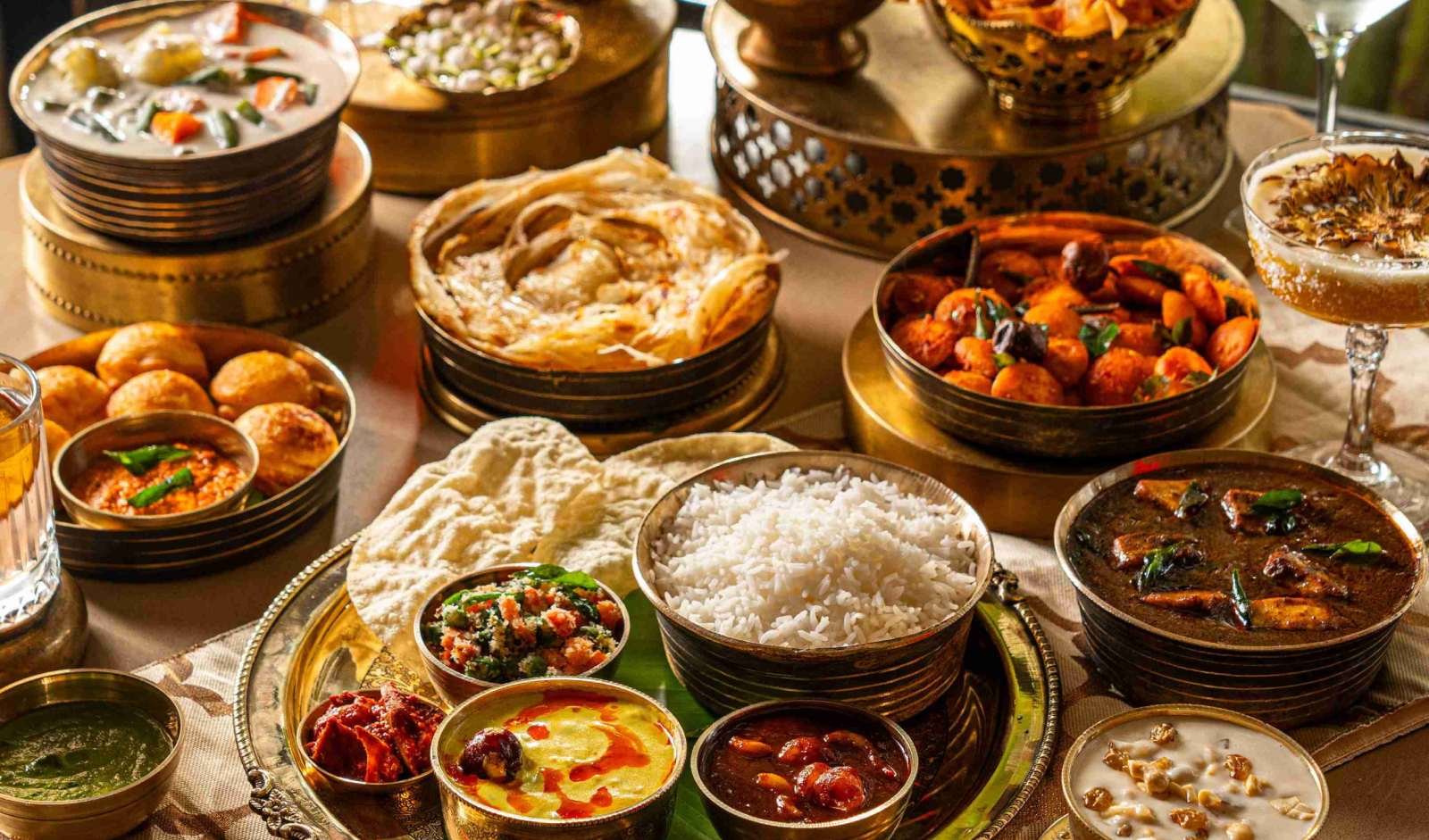
There was a time when “Indian food” abroad meant a fairly predictable menu—butter chicken, naan, maybe a biryani if you were lucky. Delicious, yes, but also a little… narrow, considering the sheer diversity India carries on its plate.
That’s changing now. Slowly, but noticeably.
Today, you’ll find people in London discussing the subtle tang of Assamese tenga, or diners in New York discovering the comfort of a simple Gujarati undhiyu. It’s not just about food anymore—it’s about stories, identities, and a deeper curiosity for what lies beyond the familiar.
The Shift From Generic to Specific
For years, Indian cuisine was simplified for global audiences. Restaurants leaned into dishes that were easy to market and widely accepted. It made sense from a business perspective, but it left out a huge part of the picture.
India isn’t one cuisine. It’s dozens—maybe hundreds—of regional traditions, each shaped by geography, climate, culture, and history.
Now, chefs and restaurateurs are starting to embrace that complexity instead of smoothing it out. Instead of offering a “one-size-fits-all” menu, they’re highlighting specific regions—Kerala, Nagaland, Rajasthan, Bengal—each with its own distinct flavor profile.
And surprisingly, global audiences are responding well. There’s curiosity, even excitement, around trying something unfamiliar.
The Role of the Indian Diaspora
A big part of this shift comes from the diaspora.
Second-generation Indians living abroad often grow up with home-cooked regional dishes that don’t appear on restaurant menus. As they step into the culinary world—opening cafés, food trucks, or fine-dining spaces—they bring those personal flavors with them.
It’s less about “selling Indian food” and more about sharing a piece of home.
This authenticity resonates. People can sense when a dish carries personal meaning, when it’s not just curated for appeal but rooted in memory and tradition.
Social Media Is Changing the Game
Let’s be honest—food travels faster on Instagram than it ever did through traditional media.
A beautifully plated Goan fish curry or a street-style Indori poha can go viral overnight. Suddenly, dishes that were once local secrets are being bookmarked by food lovers across continents.
Food bloggers, travel vloggers, and home chefs are all playing a role here. They’re documenting regional recipes, sharing cooking techniques, and—perhaps most importantly—telling the stories behind them.
That storytelling element matters. It gives context, making the food feel more approachable even when it’s new.
Global Palates Are Evolving
There’s also been a broader shift in how people approach food globally.
Diners today are more open to experimenting. They’re not just looking for comfort—they’re looking for experience. Something different, something memorable.
Regional Indian cuisines offer exactly that.
From the fermented flavors of the Northeast to the spice-heavy dishes of Andhra Pradesh, there’s a depth and variety that keeps things interesting. It’s not just about heat or richness—it’s about balance, technique, and regional identity.
The Trend That’s Hard to Ignore
All of this ties into a larger movement—Regional Indian cuisines ka global popularity trend is no longer a niche observation. It’s becoming a visible pattern.
Restaurants are designing region-specific menus. Culinary festivals are dedicating sections to lesser-known Indian dishes. Even international cooking shows are exploring regional recipes instead of sticking to mainstream favorites.
It’s not happening overnight, but the direction is clear.
And once people get a taste of this diversity, it’s hard to go back to a limited version of “Indian food.”
Challenges Along the Way
Of course, it’s not all smooth.
One challenge is ingredient availability. Many regional dishes rely on specific spices, herbs, or techniques that aren’t easy to replicate abroad. Substitutions can work, but they sometimes alter the essence of the dish.
There’s also the issue of perception. Some diners still associate Indian food primarily with heavy, creamy dishes. Breaking that stereotype takes time.
And then there’s the balance between authenticity and adaptation. How much do you tweak a dish to suit local tastes without losing its identity? There’s no fixed answer—it’s a constant negotiation.
A Cultural Exchange, Not Just a Food Trend
What’s happening here goes beyond cuisine.
When regional Indian dishes gain global attention, they carry culture with them—festivals, traditions, even ways of eating. A simple meal can open conversations about history, migration, and identity.
In that sense, food becomes a bridge.
It connects people who might otherwise never interact, offering a shared experience that feels both new and familiar at the same time.
Final Thoughts
There’s something quietly beautiful about watching regional Indian cuisines find their place on the global stage.
Not because they’re becoming trendy, but because they’re being understood—layer by layer, story by story.
It’s not about replacing the classics or redefining Indian food entirely. It’s about expanding the narrative, making space for the diversity that was always there.
And maybe, just maybe, this is only the beginning.