
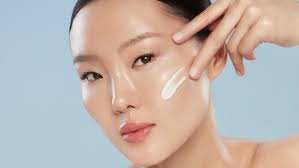

There’s something oddly comforting about DIY beauty. Maybe it’s the nostalgia—your grandmother mixing turmeric with milk, or your mom insisting that aloe vera straight from the plant is better than anything you can buy. And honestly, sometimes it does work. Skin feels softer, hair looks shinier, and you feel like you’ve cracked some ancient, natural code.
But then again… not every home remedy is as harmless as it sounds.
At the same time, dermatologist treatments come with their own reputation—clinical, expensive, sometimes intimidating. A sterile room, machines, prescriptions… it can feel like overkill when all you wanted was to fix a breakout or dull skin.
So somewhere between these two worlds, a question naturally pops up: what’s actually safer?
The Allure of DIY Beauty Hacks
DIY beauty has exploded, especially with social media. One scroll through Instagram or YouTube and you’ll find hundreds of “quick fixes”—coffee scrubs for glowing skin, lemon juice for brightening, baking soda for exfoliation. It’s cheap, accessible, and feels empowering. You don’t need an appointment or a fancy clinic. Just your kitchen.
And let’s be fair, some of these remedies do have logic behind them. Ingredients like honey (natural humectant), turmeric (anti-inflammatory), and yogurt (mild exfoliant) can genuinely benefit the skin when used properly.
But here’s the catch—“natural” doesn’t always mean “safe.”
Lemon juice, for instance, is highly acidic. Applying it directly can disrupt your skin barrier, causing irritation or even burns if exposed to sunlight. Baking soda? Way too harsh. It can strip your skin’s natural oils and mess with its pH balance.
The problem isn’t DIY itself—it’s the lack of guidance. You’re experimenting on your own face, often without knowing your skin type or sensitivity level.
When Dermatologists Step In
Dermatologist treatments, on the other hand, are built on science. That’s their biggest advantage.
Whether it’s acne, pigmentation, or early signs of aging, a trained dermatologist doesn’t just treat the surface—they look for underlying causes. Hormones, lifestyle, genetics… it’s all part of the picture.
Treatments like chemical peels, laser therapy, or prescription skincare may sound intense, but they’re controlled, tested, and tailored to your skin. You’re not guessing. You’re following a plan.
Of course, it’s not perfect either. Costs can be high, and results aren’t always instant. Sometimes there’s downtime, sometimes trial and error. But overall, the approach is structured and safer—especially for persistent or severe skin concerns.
The Real Safety Question
This brings us to the heart of it: DIY beauty hacks vs dermatologist treatments — kya safe hai?
If you’re looking for a simple answer, there isn’t one. It depends on what you’re trying to fix.
For minor issues—like dullness, mild dryness, or basic maintenance—gentle DIY methods can be okay. Think soothing face masks, natural oils, or hydration-focused remedies. Nothing aggressive, nothing extreme.
But the moment you’re dealing with active acne, deep pigmentation, or skin conditions like eczema or rosacea, DIY can actually do more harm than good. In those cases, delaying professional treatment often makes things worse.
Safety isn’t about choosing one side blindly. It’s about knowing where to draw the line.
Skin Is Personal, Not Trend-Based
One mistake people often make is following trends without context. Just because something worked for a beauty influencer doesn’t mean it’ll work for you.
Skin is deeply personal. What suits oily skin might irritate dry skin. What calms sensitive skin might do nothing for acne-prone skin.
Dermatologists understand this nuance. DIY hacks, unfortunately, don’t come with personalization unless you figure it out yourself—sometimes the hard way.
A Balanced Approach (That Actually Works)
Here’s a thought that might make things simpler: you don’t have to pick one over the other.
A balanced approach often works best.
Use safe, gentle DIY methods for maintenance—like a weekly soothing mask or natural hydration tricks. But keep dermatologists in the loop for anything serious or long-term. Even a single consultation can save you months of trial and error.
Also, don’t underestimate basic skincare. Cleansing, moisturizing, sunscreen—these are boring, yes, but they do most of the heavy lifting. No hack or treatment can replace consistency.
Final Thoughts
In a world full of quick fixes and viral trends, it’s easy to forget that skin care isn’t supposed to be a gamble. It’s a slow, ongoing process—sometimes frustrating, sometimes rewarding.
DIY beauty can feel comforting, almost nostalgic. Dermatologist treatments feel clinical, precise. Both have their place.
But if you really think about it, the safest choice isn’t about choosing sides—it’s about making informed decisions. Listening to your skin, being a little patient, and maybe… not trying every internet hack you come across.
Because your skin remembers everything, even when trends change.

