Water is involved in more daily activities than most of us realise. From the first glass in the morning to the final load of laundry at night, we rely on it constantly. When the water tastes unusual, leaves stubborn marks on bathroom fixtures, or carries an unpleasant smell, those small inconveniences can quickly become part of everyday life.
Many homeowners start by installing a filter on the kitchen tap. That’s a sensible option when the main concern is drinking water, but it may not address issues affecting showers, washing machines, bathroom sinks, and other fixtures. If the problem extends throughout the property, it might be worth looking at how water is treated before it enters the household plumbing.
A whole-home filtration system can help with certain water-quality concerns by treating water at a central point. However, choosing the right setup requires more than buying a filter and hoping for the best. Understanding your water supply, identifying the problems you want to solve, and knowing what different technologies can actually do will help you make a more informed decision.
Understanding the Water That Enters Your Home
Water quality varies depending on its source and the environment it travels through. Municipal water is generally treated and monitored according to applicable drinking-water standards, while private well owners usually need to arrange their own testing and maintenance.
Even treated municipal water can pick up substances from household plumbing as it travels to a tap. Older pipes and plumbing fixtures, for example, may introduce contaminants that aren’t necessarily removed by a standard filtration system installed at the point where water enters the property.
Private wells can face different challenges. Naturally occurring minerals may cause hardness or staining, while sediment can enter from underground formations or damaged well components. In some locations, groundwater may also contain contaminants that require specialised treatment.
The first step is to understand what’s actually present. A water-quality test can identify concerns that aren’t obvious from appearance or taste alone. If the water has suddenly changed colour, developed an unusual smell, or begun leaving unexpected deposits, testing can help determine whether the cause is a mineral issue, a plumbing problem, or something that needs more urgent attention.
What Whole-Home Filtration Actually Does
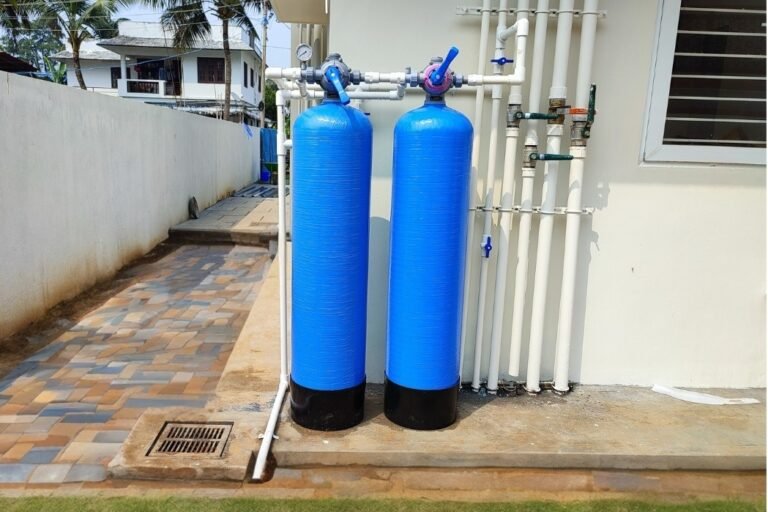
A point-of-entry filtration system is typically installed on the main water line where it enters the house. Water passes through the selected treatment equipment before being distributed to kitchens, bathrooms, laundry areas, and other connected fixtures.
The main advantage of whole-home filtration is that it can address specific water-quality concerns across multiple areas instead of treating water at just one tap. For instance, a properly selected sediment filter can capture suspended particles before they collect in faucet screens or travel into appliances. Activated carbon may reduce chlorine and certain compounds responsible for unpleasant taste and odour.
The results depend on the filter media, system capacity, and incoming water conditions. A sediment filter won’t remove every dissolved contaminant, and an ordinary carbon filter shouldn’t be assumed to eliminate bacteria or all chemical substances.
This distinction matters because filtration products are often marketed with broad claims. Before buying one, check which contaminants the system is designed to reduce and whether its performance has been independently verified for those specific substances.
The Everyday Benefits of Cleaner Water
Water problems often show up in ordinary household routines. You might spend extra time scrubbing orange stains from a sink, repeatedly cleaning cloudy shower glass, or wiping spots from freshly washed dishes. These issues may not be dangerous, but they can be frustrating when they return soon after cleaning.
If sediment or chlorine is responsible, an appropriately selected filter may help improve the water used throughout the house. Reducing suspended particles can help prevent deposits from accumulating in certain plumbing components, while suitable carbon filtration can make the smell of chlorine less noticeable.
For homeowners dealing with these concerns, clean water means more than a clear glass on the kitchen counter. It can mean water that looks and smells more pleasant during everyday use, provided the treatment system is matched to the actual problem.
Still, it’s important to separate convenience from safety. Water that looks clean isn’t automatically safe to drink, and filtration doesn’t guarantee protection from every contaminant. If testing identifies a health-related concern, the treatment method must be appropriate for that specific issue.
Filtration and Water Softening Are Not the Same
One of the most common sources of confusion is the difference between filtration and softening. They may be installed together, but they perform different jobs.
Hard water contains dissolved calcium and magnesium. These minerals can form scale on taps, showerheads, kettles, and water-heating elements. A conventional sediment filter won’t remove dissolved hardness, and activated carbon generally isn’t intended to solve it either.
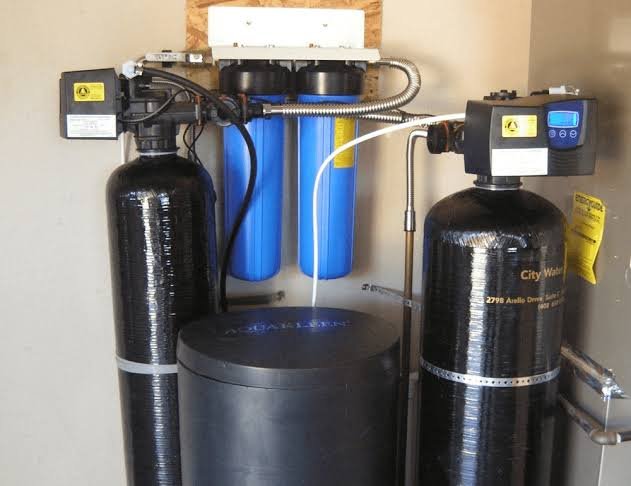
A water softener commonly uses ion exchange to reduce calcium and magnesium. This can help control scale, although the system needs to be selected according to water hardness, household demand, and other relevant conditions.
Filtration, on the other hand, targets substances such as suspended particles, chlorine, or selected contaminants, depending on the technology used. Some homes need only one treatment method. Others benefit from a combination of filtration and softening because they have more than one water-quality issue.
Testing helps determine which approach makes sense, rather than relying on a salesperson’s general recommendation or assuming that one expensive unit can do everything.
Choosing the Right System for Your Household
A good filtration system should fit both the water supply and the household’s daily needs. A family using several showers and appliances at the same time will have different flow requirements from a small household with modest water consumption.
Pay attention to the system’s rated flow rate, filter capacity, plumbing connections, and installation requirements. An undersized unit may reduce water pressure during busy periods, while a poorly chosen filter may clog quickly if the incoming water contains a lot of sediment.
Maintenance costs deserve equal attention. Ask how often cartridges need replacing, whether the system requires backwashing, and how readily replacement parts are available. A low purchase price can become less attractive if the equipment needs frequent servicing.
If your water test reveals arsenic, lead, nitrate, or another specific contaminant, choose a treatment system with verified performance for that substance. Some situations may require a point-of-use system, specialised media, reverse osmosis, or another technology rather than standard whole-house filtration alone.
Keeping the System Working Properly
Installation is only the beginning. Filters gradually collect particles, and treatment media can lose effectiveness over time. Following the manufacturer’s maintenance schedule helps keep the system operating as intended.
Keep a simple record of filter changes, service appointments, and water-test results. If the water’s taste or smell changes unexpectedly, or if flow drops noticeably, investigate the cause rather than assuming the filter will continue working indefinitely.
Private well owners should also inspect the well cap, surrounding drainage, and visible components periodically. Flooding, well repairs, and sudden changes in water quality are good reasons to arrange additional testing. Where microbial contamination is suspected, follow local public-health guidance about safe drinking water and appropriate disinfection.
A Practical Way to Improve Your Home’s Water
Installing a filtration system can be worthwhile when a water-quality concern affects several areas of the home. But the best choice isn’t necessarily the largest unit or the one with the most features. It’s the system that addresses a verified problem, meets your household’s needs, and can be maintained without unnecessary expense.
Start with testing where appropriate, compare equipment based on proven capabilities, and consider professional advice if the results are complicated. A small point-of-use filter may be enough for a drinking-water taste issue, while broader concerns may call for treatment at the main supply line.
Ultimately, water quality deserves attention because water is such a regular part of life. With accurate information, suitable equipment, and consistent maintenance, homeowners can make practical improvements that support everyday comfort and provide greater confidence in the water flowing through their homes.