There are few things more ordinary than turning on a tap. We use water to make breakfast, fill bottles before heading out, wash the dishes, and get through the usual evening chores. It’s easy to assume everything is fine as long as the water looks clear. Then the kettle develops a chalky coating, the shower leaves white marks on the glass, or the water suddenly tastes different. Those little changes can be annoying, but they can also be a reason to take a closer look.
Understanding your home’s water doesn’t have to become a complicated project. The trick is to find out what’s causing the problem before spending money on equipment. With reliable information and a little patience, you can choose a practical solution that suits your household instead of relying on guesswork.
Start by Paying Attention to the Small Signs
Water problems often show up in everyday routines. Soap may struggle to lather, laundry might feel stiff after washing, or mineral deposits may appear around faucets only a few days after cleaning. These signs can point toward hard water, which contains elevated levels of dissolved calcium and magnesium.
Other changes deserve attention, too. Orange or reddish stains can sometimes be associated with iron, while sediment may appear as visible particles. An unusual taste or odor can have several possible causes, including naturally occurring substances, treatment-related factors, or plumbing conditions.
Of course, these clues don’t tell the whole story. Water that looks perfectly clear may still contain substances that cannot be identified by sight or smell. Likewise, a strange taste doesn’t automatically mean the water is unsafe. The sensible response is to investigate rather than jump to conclusions.
If the change happens suddenly, affects several taps, or follows plumbing work, contact your water supplier or a qualified plumbing professional when appropriate. The issue may involve the supply or the plumbing rather than a need for new treatment equipment.
Why Testing Is Worth the Effort
When something seems wrong, buying a filter can feel like the easiest answer. There are plenty of products promising fresher taste, fewer minerals, and cleaner water. But without knowing what needs to be addressed, choosing equipment is a bit like buying medicine without knowing what is causing the discomfort.
A professional water test can help establish a clearer picture of the water entering your home. Depending on the source and the concern, testing may examine hardness, pH, iron, dissolved solids, bacteria, nitrates, or other substances. The appropriate test depends on the question you’re trying to answer.
Homeowners using municipal water can begin by reviewing the supplier’s published water-quality report. It provides useful information about the public supply, although it may not identify issues caused by individual household plumbing. Private well owners generally need a more tailored testing schedule because groundwater conditions can change with rainfall, flooding, nearby land use, and other environmental factors.
Ask what the test measures and whether the results will be provided in writing. If health-related contaminants are a concern, use an appropriate testing method, including a certified laboratory when necessary. A basic hardness test, for example, cannot establish whether water is free from bacteria or lead.
The goal is to understand the results well enough to make a sensible decision, not to feel pressured into buying equipment immediately.
When Whole-Home Filtration Makes Sense
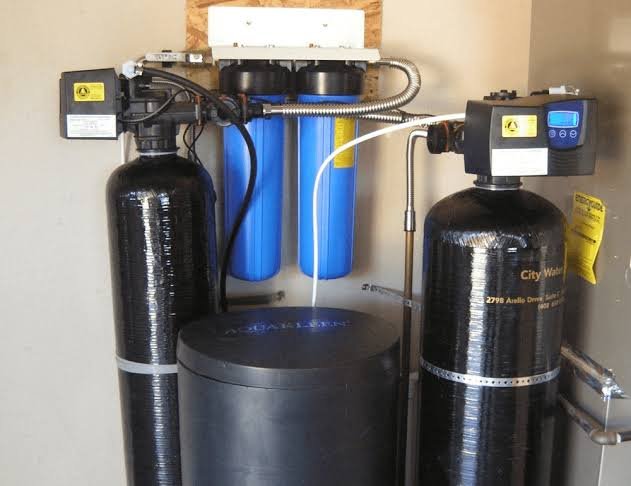
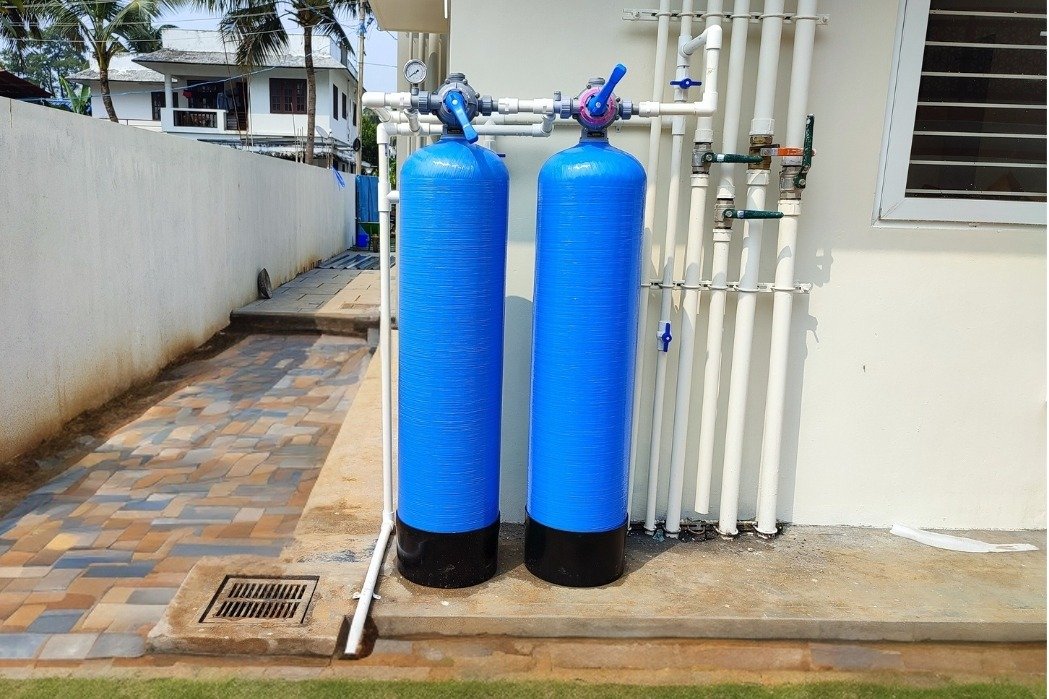
Some water concerns affect nearly every fixture in a property. Sediment may collect in several taps, certain tastes or odors may be noticeable throughout the house, or water characteristics may affect appliances and plumbing. In these situations, a whole-home filtration system may be worth considering.
Installed where water enters the property, this type of system treats water before it reaches multiple fixtures. The actual filtration technology depends on the water analysis. Sediment filters can capture particles, while activated carbon may reduce certain tastes, odors, and selected compounds. Other technologies are designed for specific treatment needs.
It’s important not to assume that every whole-home filter does the same job. A sediment cartridge won’t reliably remove dissolved contaminants, and a standard carbon filter isn’t a substitute for disinfection when microbiological treatment is required. The equipment should match the substances identified through testing.
Household demand matters as well. A system needs sufficient capacity to supply showers, laundry appliances, kitchen taps, and other fixtures without an inconvenient drop in water pressure. Installation space and access for maintenance should also be considered before choosing a model.
For some homes, treating the entire incoming supply makes sense. For others, a smaller filter beneath the kitchen sink may be enough. The best arrangement depends on where treatment is needed and what the water test reveals.
Give Drinking Water Its Own Consideration
Many households are particularly interested in the water used for drinking and cooking. Taste is an obvious concern, but reducing a specific contaminant may matter more when test results identify one.
Activated carbon filters can improve certain taste and odor issues. Reverse osmosis systems can reduce many dissolved substances, depending on the model and its verified performance. Neither should be assumed to remove every possible contaminant, so check the manufacturer’s documentation and relevant independent certifications.
Before installing a drinking-water system, consider the space available beneath the sink, expected water output, replacement filter costs, and any drainage requirements. A more complex system isn’t automatically better if a simpler option can address the actual concern.
Remember that drinking water quality depends on the source, treatment performance, and condition of the plumbing. If you notice a sudden change in taste, color, or odor, investigate the cause instead of assuming a filter will fix it.
Maintenance Is Part of the Plan
Even suitable equipment needs regular care. Filters have a limited service life, softeners may require salt, and reverse osmosis membranes need replacement according to the manufacturer’s schedule. Neglecting these tasks can reduce performance and allow the original problem to return.
Keep a record of installation dates, filter changes, service visits, and water-test results. A reminder on your phone is often enough to keep routine maintenance from slipping through the cracks.
If the water pressure changes, scale returns, or an unusual taste develops, check the manufacturer’s instructions and consider whether servicing or further testing is needed. Avoid opening pressurized equipment or attempting repairs that require specialist knowledge.
Make a Decision That Fits Your Home
Better water begins with good information. Notice recurring problems, identify the source of your supply, arrange suitable testing, and compare treatment options based on verified performance. Ask about installation, maintenance, replacement parts, and long-term costs before committing.
You don’t need the most elaborate system on the market. You need one that addresses the actual issue and fits your household’s needs.
Water may not be the most exciting home improvement topic, but it affects everyday life in countless small ways. Taking the time to understand it can prevent unnecessary spending, make maintenance more manageable, and help you feel more confident about the water you use every day.