Water looks simple. It’s clear, usually odorless, and something we use dozens of times a day without giving it much thought. But what looks like an ordinary glass of water can contain a mixture of minerals and other substances that aren’t visible at all.
That isn’t automatically a bad thing. Natural water picks up minerals as it moves through soil and rock, while treated water can contain substances introduced during processing or distribution. The important part is understanding what’s present, how much is present, and whether it affects the way the water should be used.
For homeowners and businesses, that knowledge can make water treatment decisions much easier—and a lot less expensive.
What Can Be Dissolved in Water?
Water is an excellent solvent, which is one reason it can pick up so many different substances.
Groundwater may absorb minerals from surrounding rock. Municipal water can contain naturally occurring minerals as well as treatment-related substances. Plumbing can also influence water chemistry as it travels toward the tap.
Among the substances that may be present are calcium, magnesium, sodium, iron, bicarbonate, chloride, and other dissolved compounds.
Some are harmless at normal concentrations. Others may affect taste, plumbing, appliances, or suitability for a particular process.
This is why simply asking whether water is “clean” doesn’t always provide a useful answer. Clean for what purpose? Drinking, cooking, manufacturing, cleaning, or irrigation may all have different requirements.
Understanding Dissolved Salts
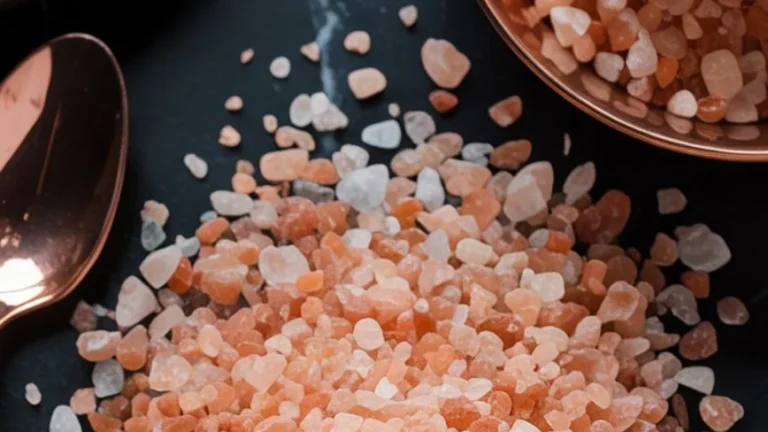
One common category found in water is dissolved salts. These aren’t necessarily the same thing as the table salt sitting in your kitchen cabinet. In water chemistry, the term can refer to various ionic compounds that have dissolved into the water.
Calcium and magnesium salts, for example, contribute significantly to water hardness.
High levels of dissolved minerals can affect taste and may leave deposits on fixtures, glassware, shower doors, and appliances. In industrial environments, they can also contribute to scaling inside equipment.
The presence of dissolved salts doesn’t automatically mean water is unsafe. Concentration matters, and the specific substance matters even more.
Why Water Hardness Gets So Much Attention
Hard water is one of the most common water-quality concerns in homes.
It usually contains higher levels of calcium and magnesium. When heated or allowed to evaporate, these minerals can leave behind scale.
You may notice it as a chalky layer around a faucet or white spots on freshly washed dishes. Over time, scaling can affect water heaters and other equipment.
Water softeners are commonly used to address hardness by reducing calcium and magnesium through ion exchange.
But here’s the catch: softening isn’t the same as removing every dissolved substance. A softener solves a specific problem. If your water has additional concerns, other treatment may be necessary.
What Are Contaminants?
The word contaminants can sound alarming, but it has a broader meaning than many people realize.
A contaminant is essentially a substance present in water that may be undesirable for a particular reason. It could be a naturally occurring mineral, sediment, a chemical, or a microorganism.
Whether a contaminant is actually harmful depends on its identity, concentration, exposure, and intended use of the water.
For example, iron can cause staining and metallic taste even when the primary concern is aesthetic rather than health-related. Other substances may require much more serious attention.
That’s why water-quality conversations should focus on specific test results rather than vague statements about “bad water.”
Invisible Impurities Can Still Matter
Some impurities are obvious. Sediment may make water cloudy, and iron can sometimes cause reddish staining.
Others are completely invisible.
This is why appearance isn’t a reliable way to judge drinking-water quality. Water can look crystal clear while containing dissolved substances that require testing to identify.
If you’re concerned about your water, a laboratory analysis or appropriate professional water test can provide much better information than simply looking at the glass.
Testing can be especially useful for private well owners because groundwater chemistry can vary considerably from one location to another.
How Water Testing Helps
Water testing is the foundation of sensible treatment.
Depending on the situation, testing may measure hardness, pH, iron, manganese, copper, total dissolved solids, chlorine, and other characteristics.
The test should be selected according to the reason for concern.
If you’re seeing heavy mineral deposits, hardness may be worth checking. If there are blue-green stains around copper plumbing, copper and pH may be relevant. If there’s an unusual odor or taste, a broader analysis might make sense.
The goal isn’t to test everything imaginable. It’s to collect useful information that can guide the next decision.
Choosing the Right Treatment
Once you understand what’s in the water, treatment options become much easier to evaluate.
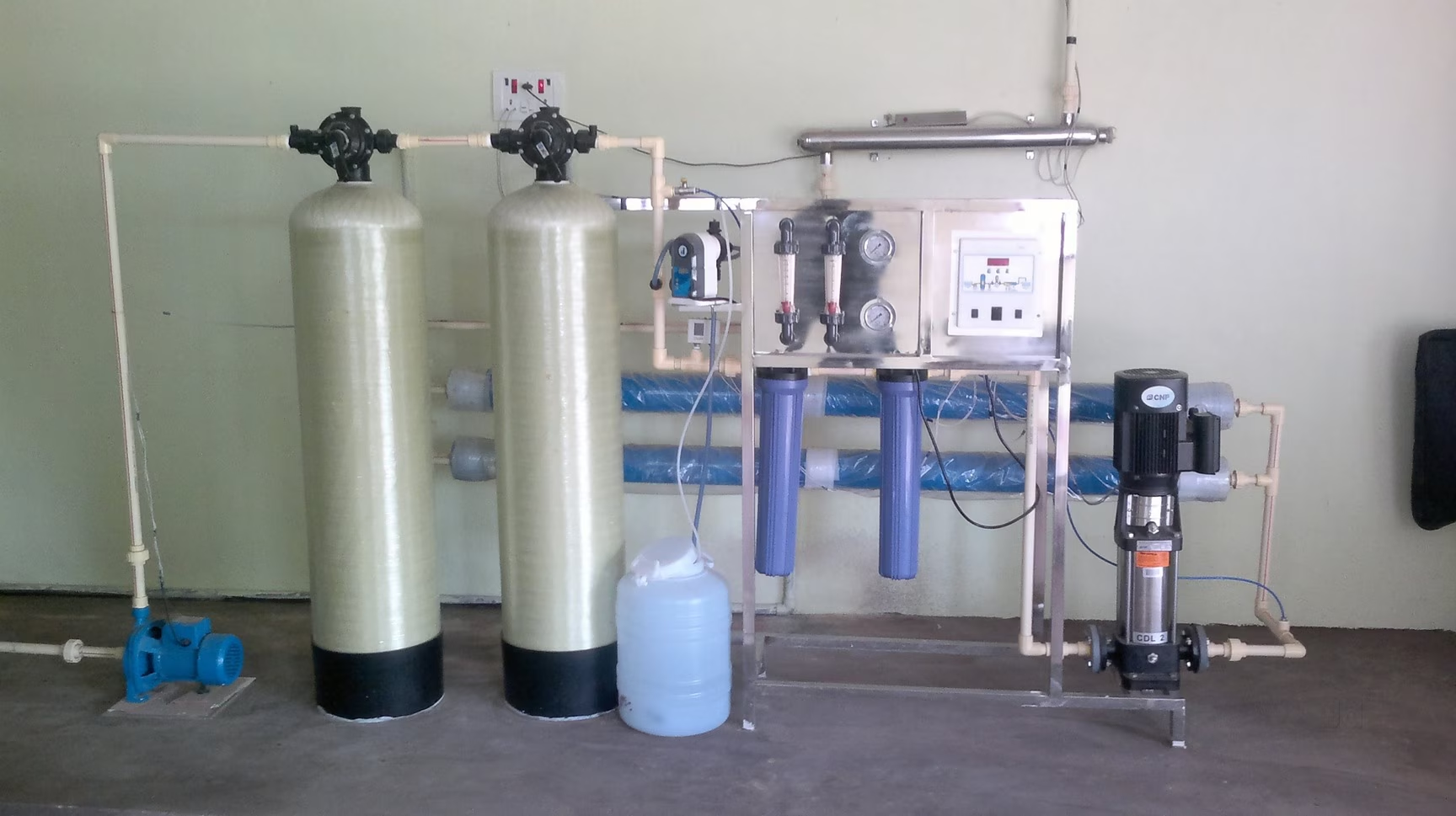
Sediment filtration can help remove suspended particles. Activated carbon can address certain taste, odor, and chemical concerns. Water softeners are designed primarily for hardness. Reverse osmosis can reduce many dissolved substances and is often used when a higher level of treatment is needed for drinking or specific processes.
No single system removes everything.
That’s an important point because water-treatment marketing can sometimes make products sound like universal solutions. In reality, treatment should match the problem.
A system designed around actual water-test results is much more likely to deliver useful results.
Don’t Forget About Plumbing
Water chemistry can affect the plumbing carrying it.
Aggressive water conditions may contribute to corrosion in certain systems, while hard water can create mineral deposits. Sediment can collect in aerators, valves, and other components.
Pay attention to recurring leaks, unusual staining, reduced flow, or changes in water taste.
These signs don’t necessarily prove a water-quality problem, but they’re good reasons to investigate.
Sometimes the solution is a simple plumbing repair. Other times, water treatment may be appropriate. You need the diagnosis before choosing the remedy.
A Balanced Approach to Water Quality
It’s easy to fall into the idea that all minerals are bad and perfectly purified water is always better. That’s not how water chemistry works.
Some minerals are naturally present and may have no practical reason to be removed. Over-treating water can add unnecessary expense, maintenance, and complexity.
The better goal is balance.
Understand the water source. Test when there is a reason to do so. Identify the substances that actually matter. Then choose treatment based on evidence and intended use.
Know Your Water Before You Treat It
Water quality isn’t just about whether water looks clean in a glass. What’s dissolved in it can influence taste, plumbing, appliances, and suitability for different uses.
Understanding dissolved minerals, salts, contaminants, and other substances helps homeowners make better decisions.
Most importantly, don’t let a confusing water problem push you into buying equipment blindly. Start with reliable information, consider the actual need, and choose treatment accordingly.
Good water management isn’t about removing everything. It’s about knowing what’s there—and making smart choices about what, if anything, needs to change.